Our takeWhat this place actually is
Mt. Seorak is the third-highest mountain in Korea and the one Koreans bring out-of-town guests to. The cable car up to Gwongeumseong Fortress gets you above the tree line in 5 minutes — the kind of vertical change where the air sharpens in your lungs.
Naksansa Temple, at the base on the coast, is the pragmatic counterweight. Fifteen-hundred years old, Buddhist-run, with a bronze bell you can ring for a small donation. The temple survived a 2005 forest fire that razed surrounding trees but somehow left the main hall standing. That story is told by the monks with obvious pride.
We sequence it mountain first, temple second — so you come down from the altitude and land in the quiet. In autumn, do the reverse: leaves peak earlier on the coast.
The story behind the places
Korea's cherry blossom season
Cherry blossoms in Korea are loved because they are brief. Locals watch forecasts, compare neighborhoods, and move quickly when the flowers open. A blossom stop is less about one tree and more about joining that short national ritual of walking, taking photos, and noticing spring before it disappears.
Seoraksan and Naksansa
Seoraksan is one of Korea's most beloved mountain landscapes, famous for granite peaks, autumn color, winter snow, and temple air. Naksansa adds the sea-facing spiritual layer: a coastal Buddhist temple associated with the monk Uisang and devotion to Gwaneum, the bodhisattva of compassion.
What the day looks like
Before the timetable, look at the visual clues: the color, scale, and small details that tell you what kind of day this will feel like.
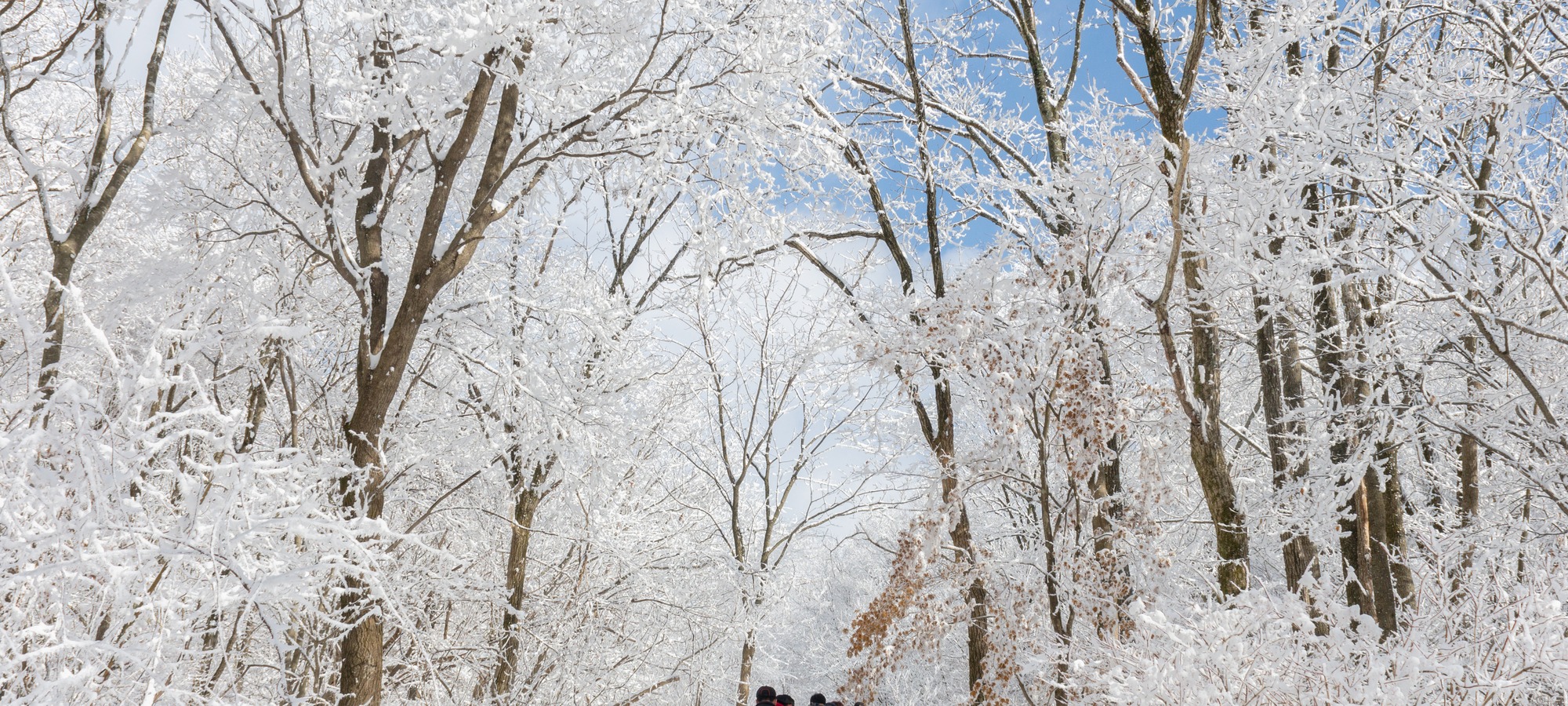
Mt Seorak
Seoraksan is not just a mountain view. It is one of Korea's emotional landscapes, especially in autumn when people travel for the color change.
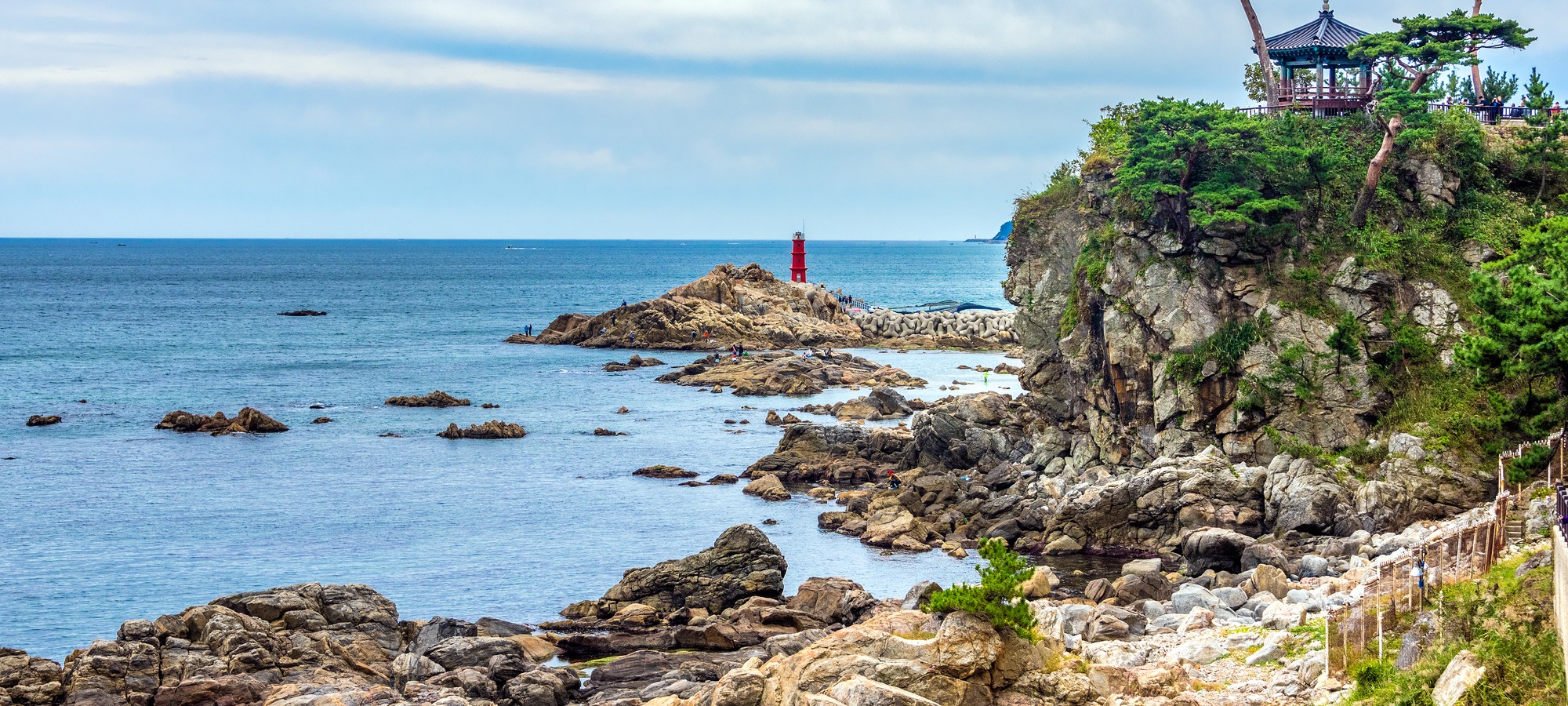
Naksansa Temple
Naksansa sits where temple culture meets the East Sea. The point is the horizon, the wind, and the feeling of prayer beside open water.
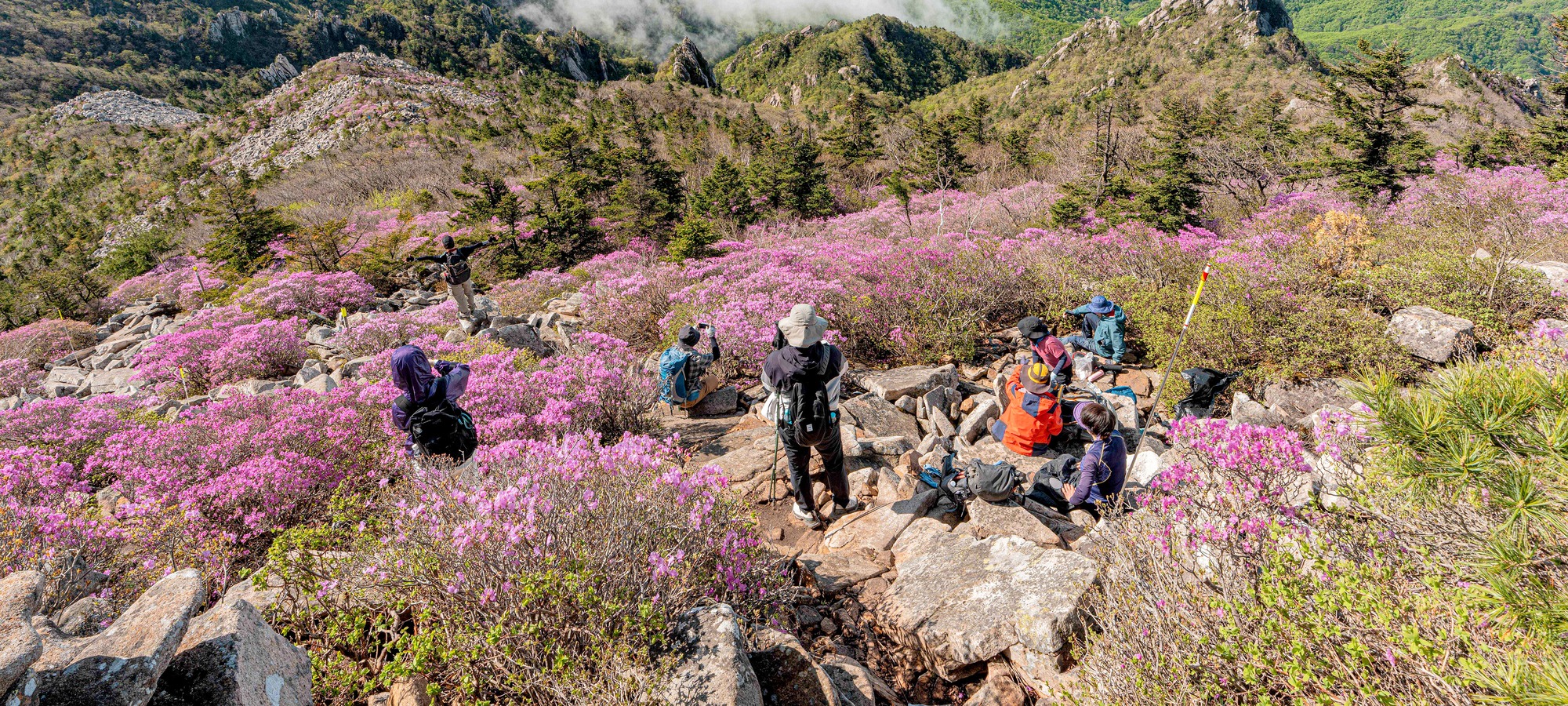
Mt Seorak
Seoraksan is not just a mountain view. It is one of Korea's emotional landscapes, especially in autumn when people travel for the color change.
About this tourThe tour itself
Journey to Korea's most breathtaking mountain landscape and a historic temple overlooking the East Sea. Mt. Seorak, part of the Seoraksan National Park, showcases some of the country's most dramatic peaks, with rocky summits piercing azure skies and alpine trails revealing valleys shrouded in mist. Then visit Naksansa Temple, a 1,300-year-old monastery perched on coastal cliffs where Buddhist monks have meditated for over thirteen centuries, surrounded by crashing waves and panoramic sea views. This full-day tour from Seoul combines Korea's most picturesque mountain scenery with spiritual heritage and seaside tranquility.
GalleryMoments from this tour
HighlightsWhat makes this tour special
ItineraryYour journey
Check dates only when you need them
We keep the story and planning notes here. Current schedules, pickup points, and live prices are handled separately by the operator, so you can read first and decide later.
See current tour details No rush - the guide above is here to help you understand the place first.PricingCurrent rates
ServicesWhat's included
✓ Included
✗ Not included
FAQCommon questions
Do it yourself
If you'd rather skip the tour and DIY, here's what you need to know. Honest version.
Events, festivals, things to watch for
- Autumn foliage peak: Approximately October 15–25, 2026. Check the Korea Forest Service weekly updates starting late September.
- 2026 renovations: Two of the Naksansa hall roofs are being re-tiled through June. Main hall access unaffected.
- Winter: Seorak's waterfalls start to freeze mid-December — Towangseong Falls becomes ice-climbing terrain.
Beyond this tour
Things near here we think are worth it. Not all our bookings.
- Sokcho Jungang Market: 20 min from Seorak. Stuffed squid (ojingeo-sundae) is the specialty; unmissable.
- Abai Village: Across the bay from Sokcho — descendants of North Korean refugees who fled during the Korean War. Still pulled across the water by hand-operated rope ferry.
- Daepo Port morning fish market: 5am dock auction; public-accessible. Best place for raw fish (hoe) in the region.
- Yangyang Surfing Beach: 30 min south. Korea's surf scene is real and friendly. Board rentals ~₩30,000/half-day.
Korea in 2026 — what's coming up
The calendar everyone planning Korea should know about. Useful whether you're on our tour or not.
- Cherry blossoms peak in Seoul around April 4–9; Jinhae a few days earlier.
- Jinhae Gunhangje Festival runs late March through early April — Korea's biggest cherry blossom festival, over a million visitors.
- Seoul Jazz Festival, end of May at Olympic Park — line-up drops mid-April.
- Children's Day (May 5) — theme parks absolutely packed; skip Everland/Legoland that week.
- Buddha's Birthday (May 25 in 2026) — temple tours are magical; Seoul Lotus Lantern Festival lights up streets for 5 days.
- Gyeongju Cherry Blossoms are done by now — shift to spring flowers at Morning Calm instead.
- BTS Busan-area reunion event (early June) — expect Busan hotels to hit peak prices.
- Hansik Day (June 6) — traditional Korean food gets spotlighted; Gwangjang Market runs a special all week.
- Dano Festival (late June) — Gangneung hosts the oldest one, UNESCO Intangible Heritage.
- Monsoon season — plan for 3–5 rainy days per week. Indoor/evening tours win.
- Boryeong Mud Festival (mid-July) — two-hour drive from Seoul; still one of Korea's oldest international festivals.
- Busan Sea Festival — beachfront concerts at Haeundae + Gwangalli through August.