Seoul texture
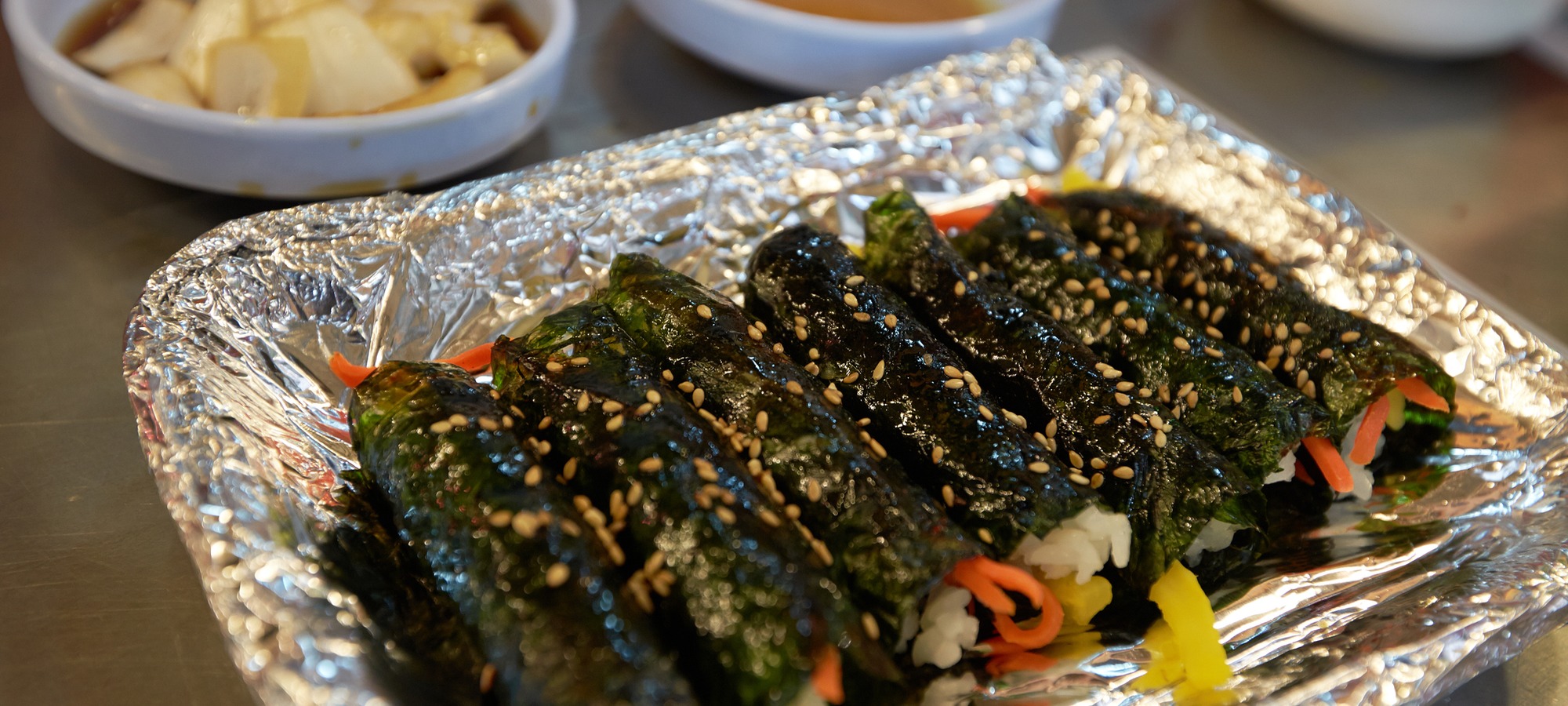
Markets are not just food stops.
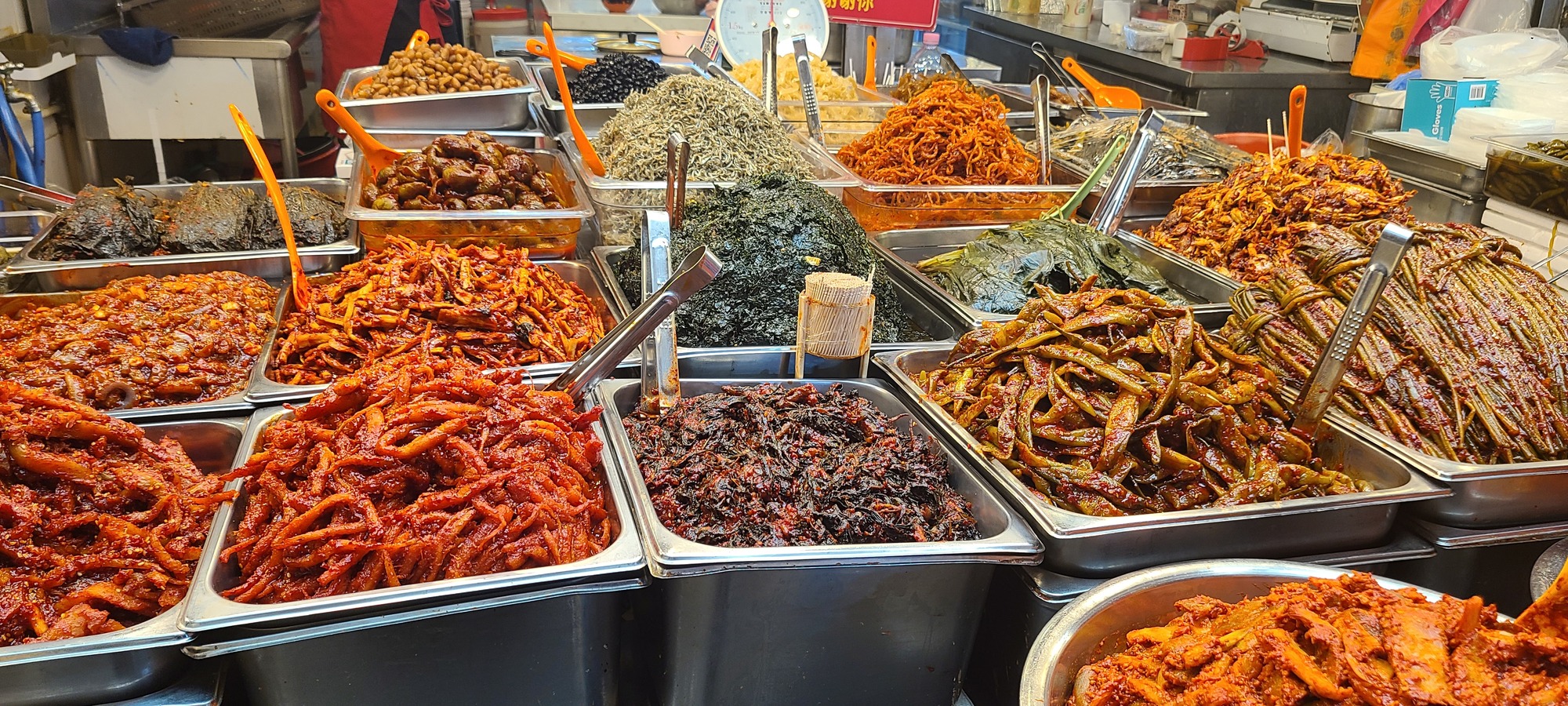
Gwangjang tells you how Seoul eats: fast, loud, generous, and shoulder-to-shoulder. A good guide should explain what is cooking before you point at the pan.
TripGuide Korea is written like a local friend explaining the day before you go: practical itineraries, seasonal advice, and the small stories behind Korea's islands, temples, markets, coastlines, and old capitals.
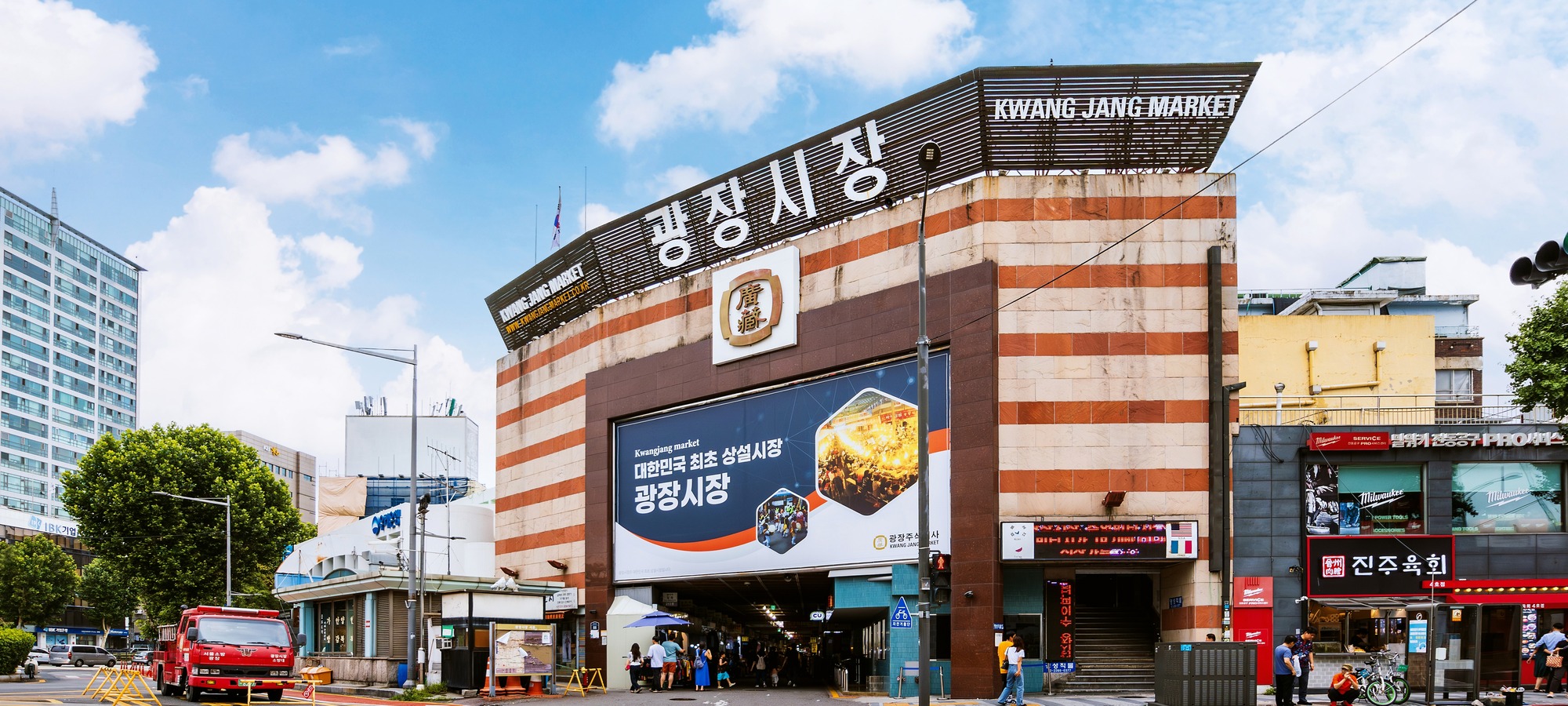
For travelers who want the city to make sense before they leave.
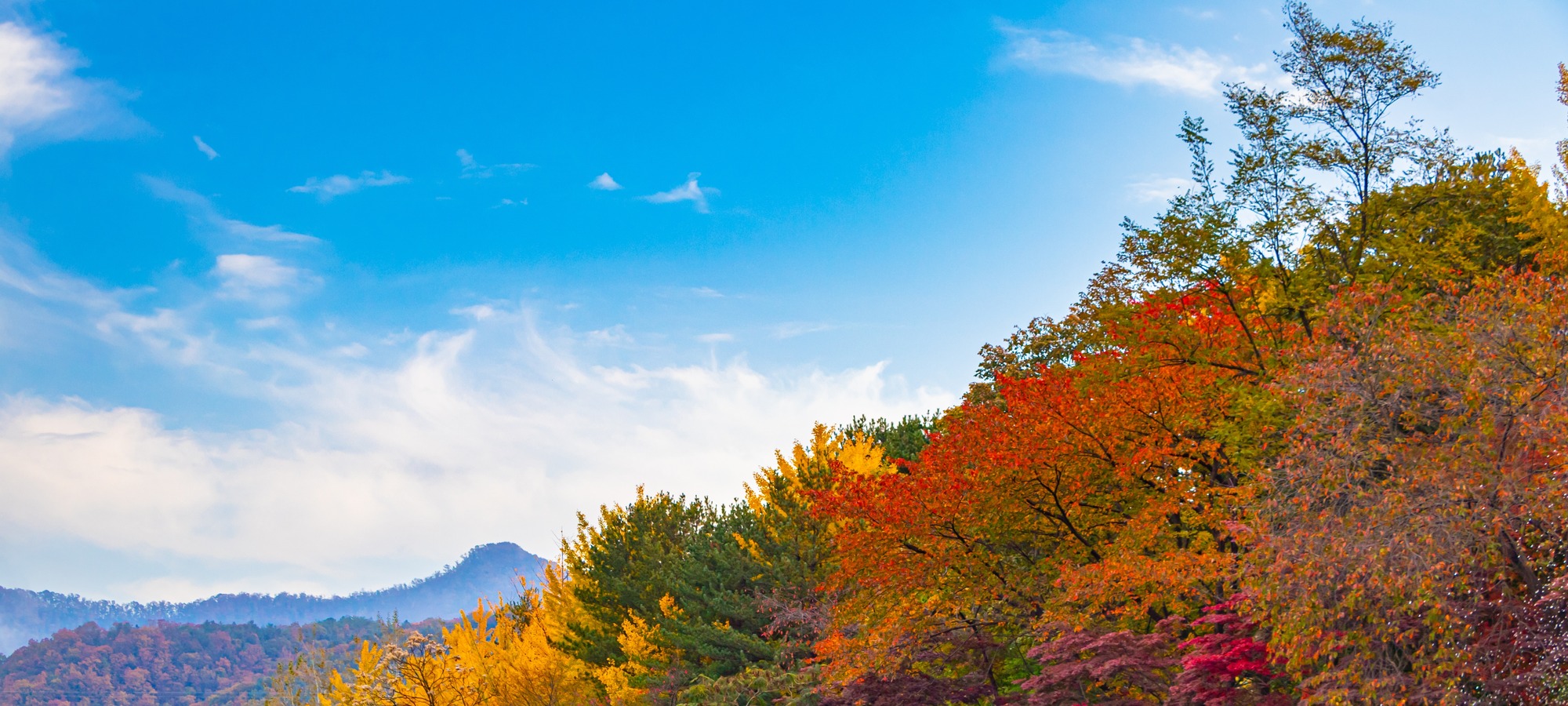
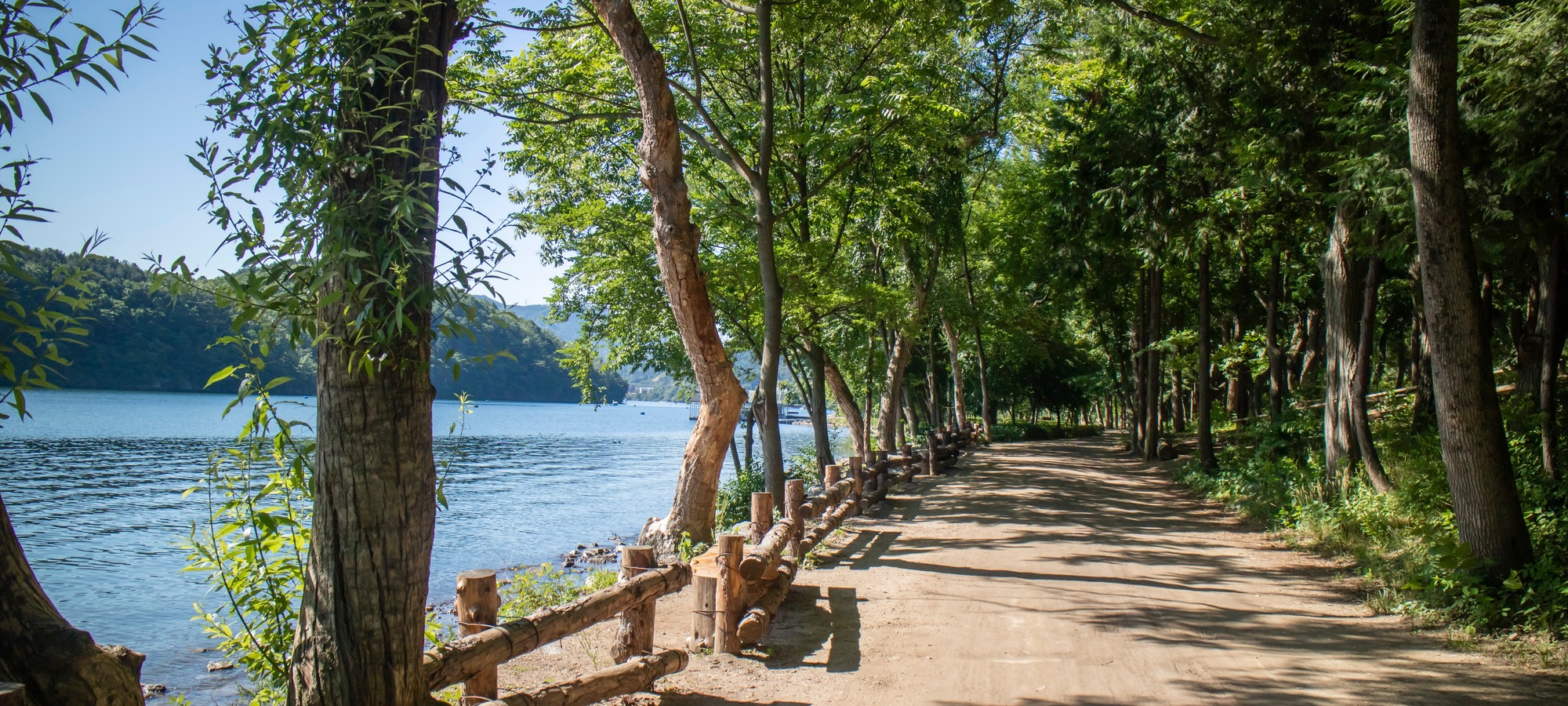
For a calmer day outside Seoul with seasonal scenery.
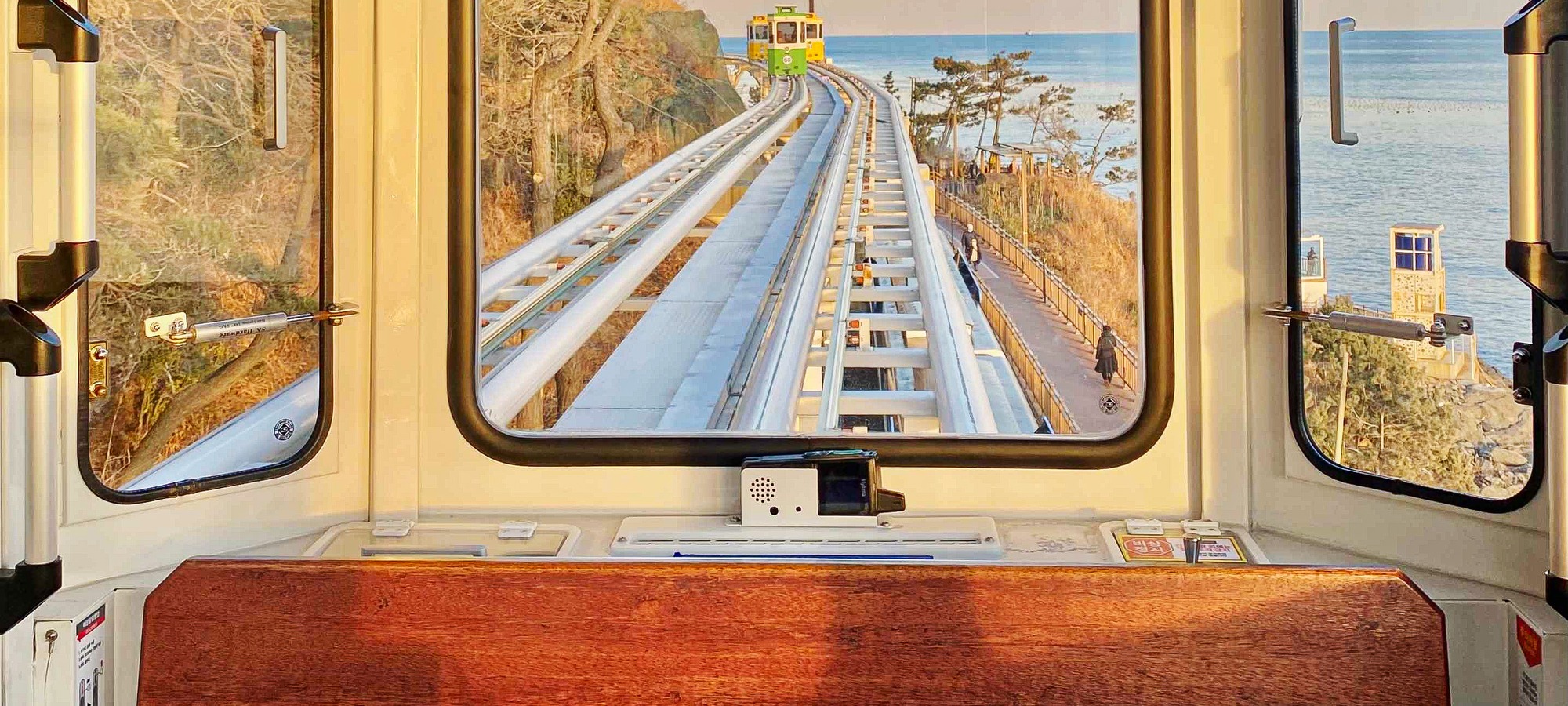
For coast-first travelers choosing between east and old Busan.
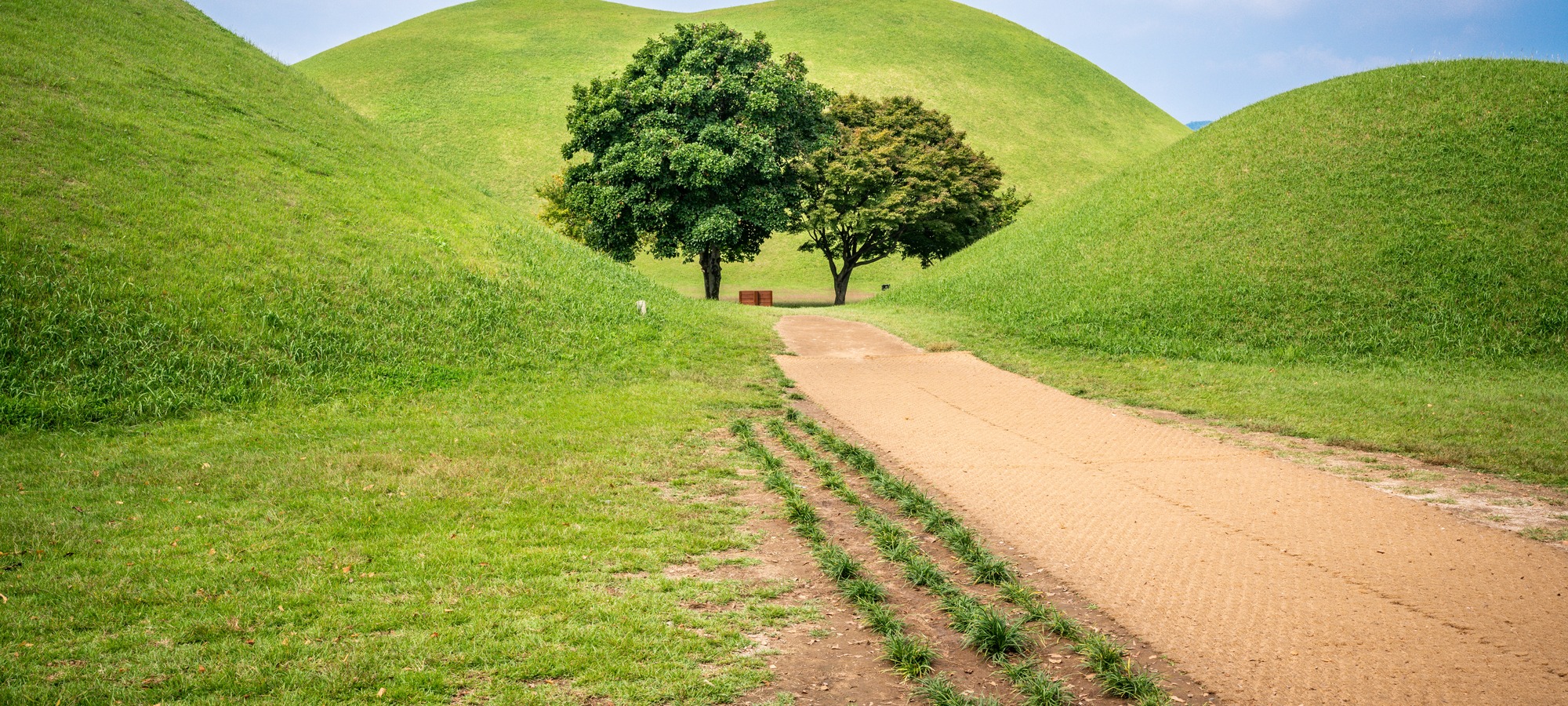
For travelers who want Korea's history to feel physical.
Most travelers do not need another generic list of Korea attractions. They need someone to say why Nami Island became Korea's romantic escape, why Suwon's walls matter, why Gyeongju feels slower than Seoul, and what a market or temple means once you are standing there.
That is the job of TripGuide Korea. The articles give the story, the mood, and the practical shape of the day. Operator links stay available for dates and logistics, but the page should be useful even if you are only reading to understand Korea better.
Browse the tour notes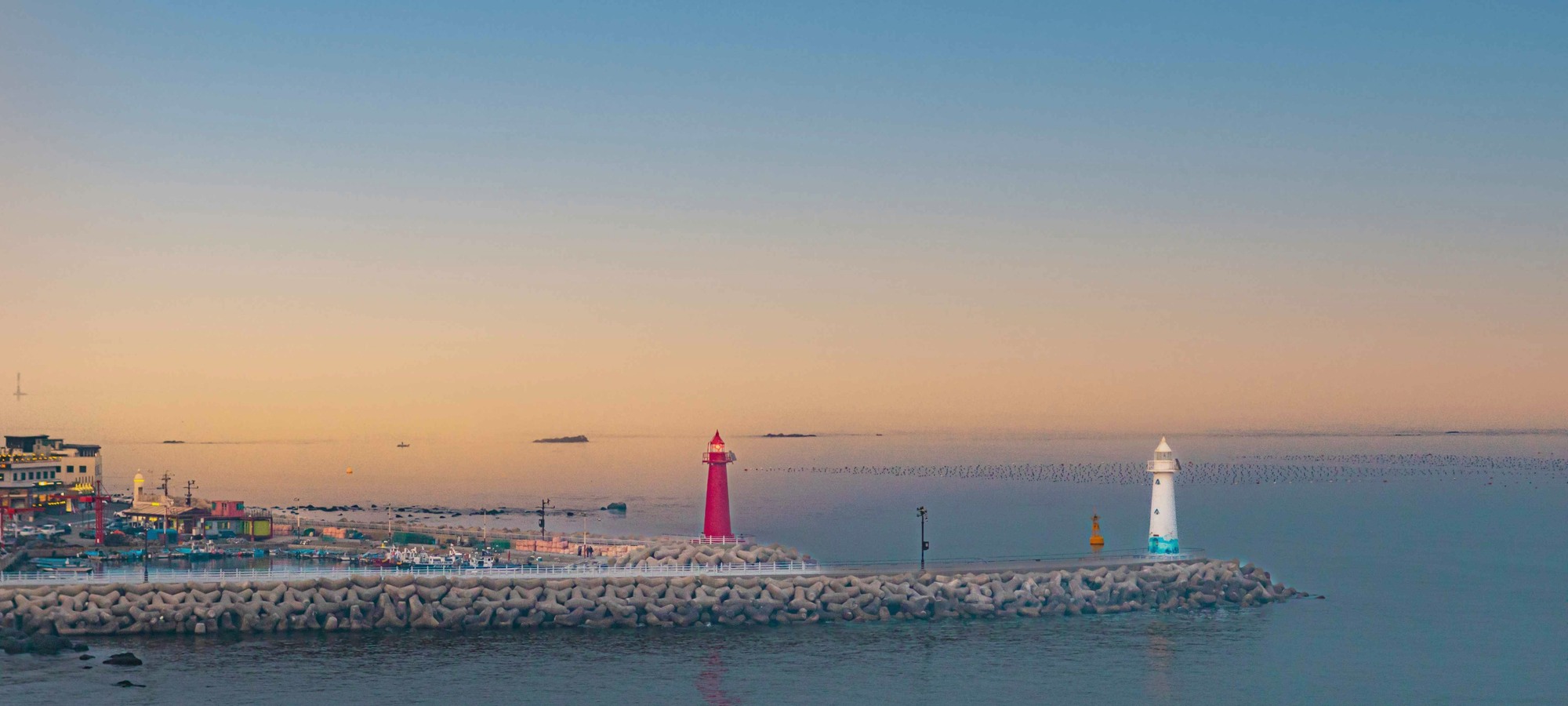
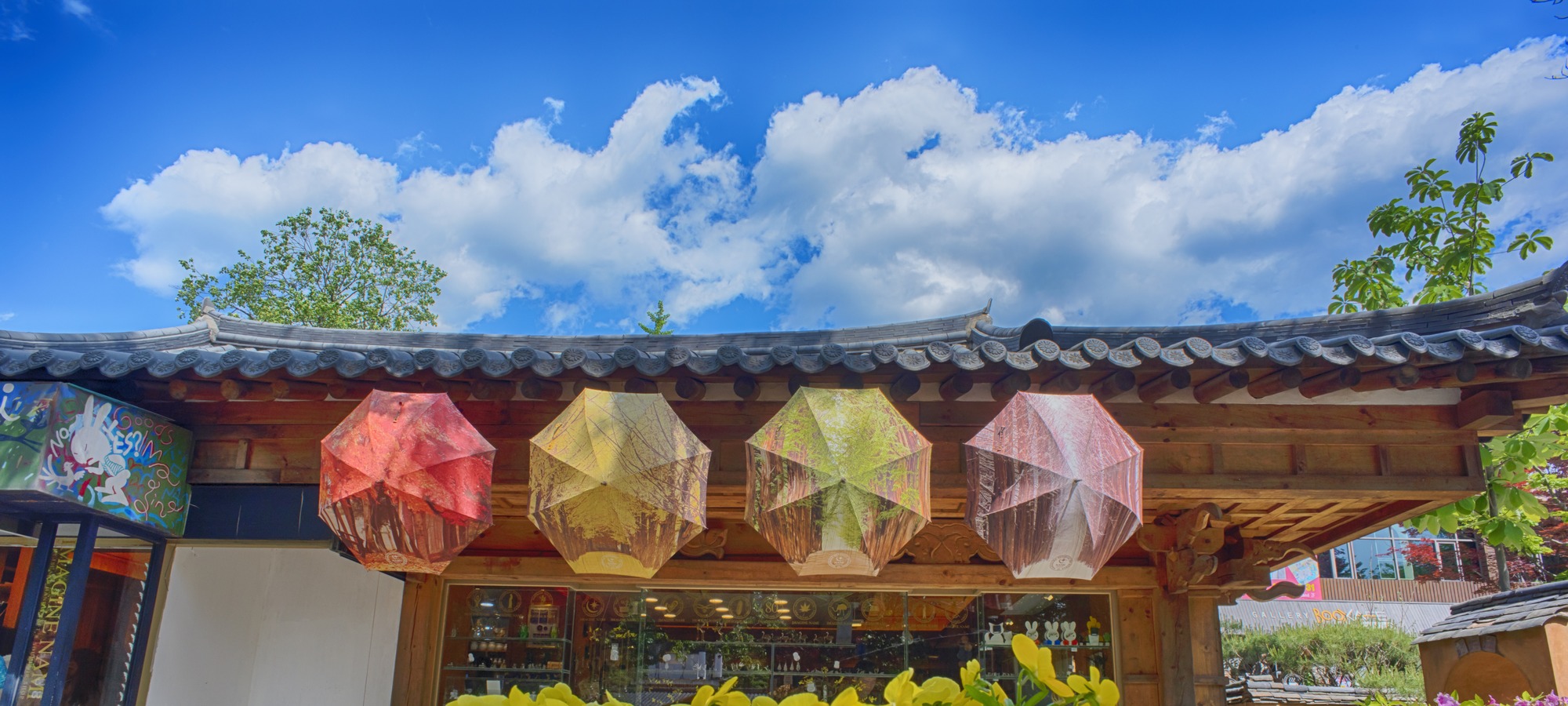
The photos should do more than decorate the page. They should tell you what kind of Korea you are walking into: market heat, island quiet, coastal evening, old capitals, and seasonal color.
Gwangjang tells you how Seoul eats: fast, loud, generous, and shoulder-to-shoulder. A good guide should explain what is cooking before you point at the pan.
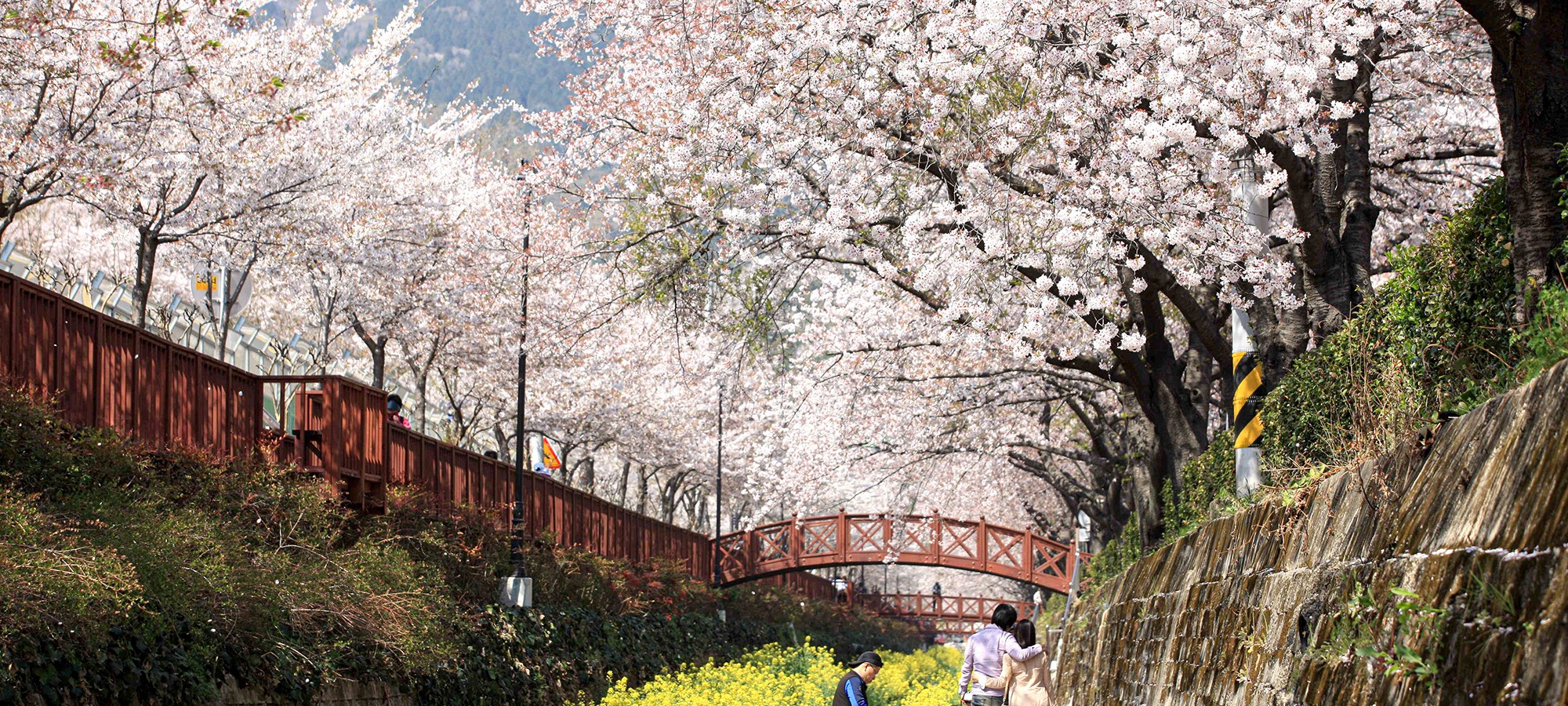
The famous tree lanes work because they slow people down. The image is simple; the feeling comes from walking the same line of trees as the seasons change.
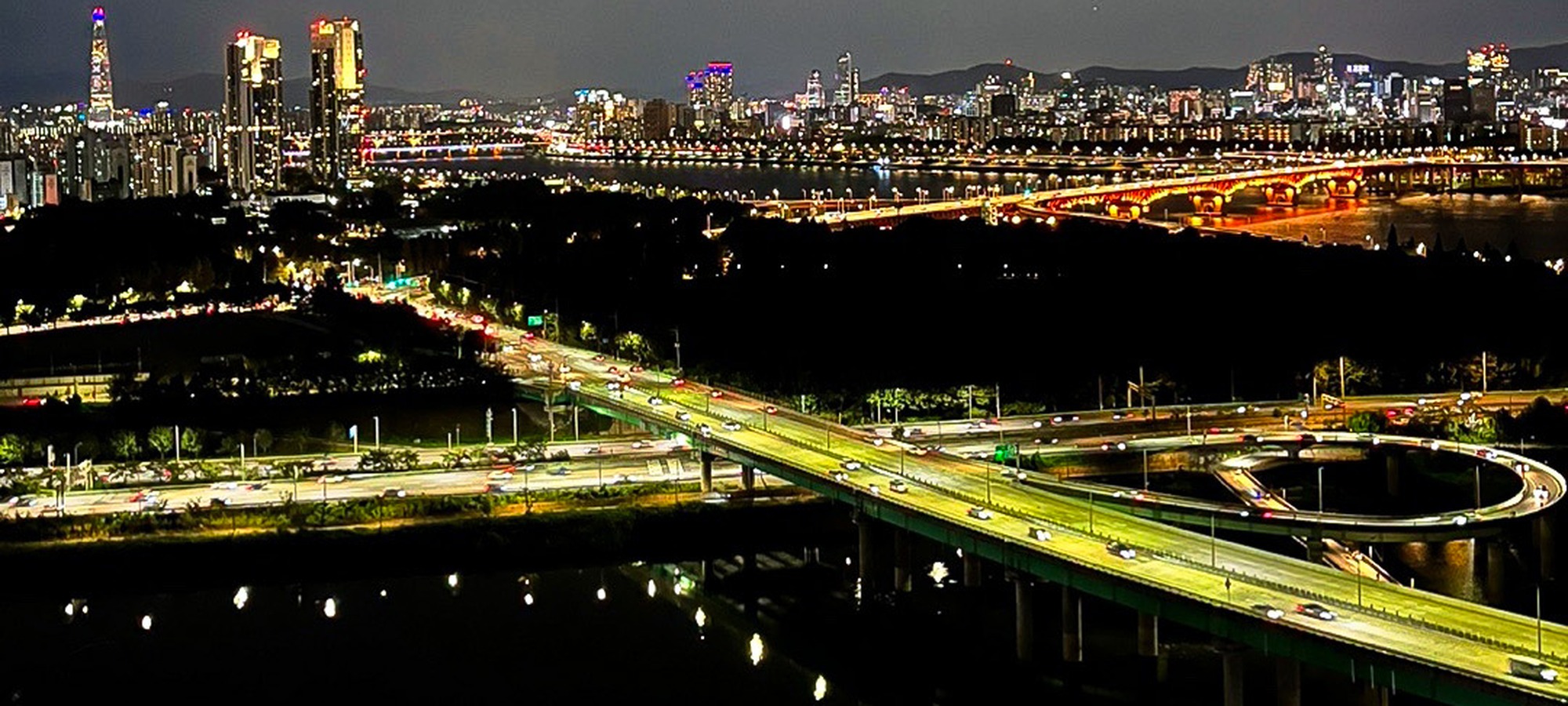
Busan is best understood in motion: rail lines, sea light, apartment towers, and small food stops that make the city feel less like a checklist.
TripGuide now has two evergreen tools: monthly event planning and free itineraries that help travelers understand Korea before they worry about logistics.
Fresh planning notes, local-route ideas, and seasonal prompts shaped into the TripGuide voice.
Seoul's May programming is leaning into river picnics, outdoor public space, and family-friendly city events.
A fresh Seoul note points to a global culture showcase, useful for travelers who like free public events between fixed sightseeing blocks.
The 2026 Seoul International Garden Show gives Seongsu a slower route than the usual cafe-and-popup loop.
Dadaepo's seasonal fountain gives travelers a concrete reason to go west, but the bigger local value is the beach scale and slower evening rhythm.
These guide pages are the planning layer: seasonal timing, city choices, family travel, food, and route selection.
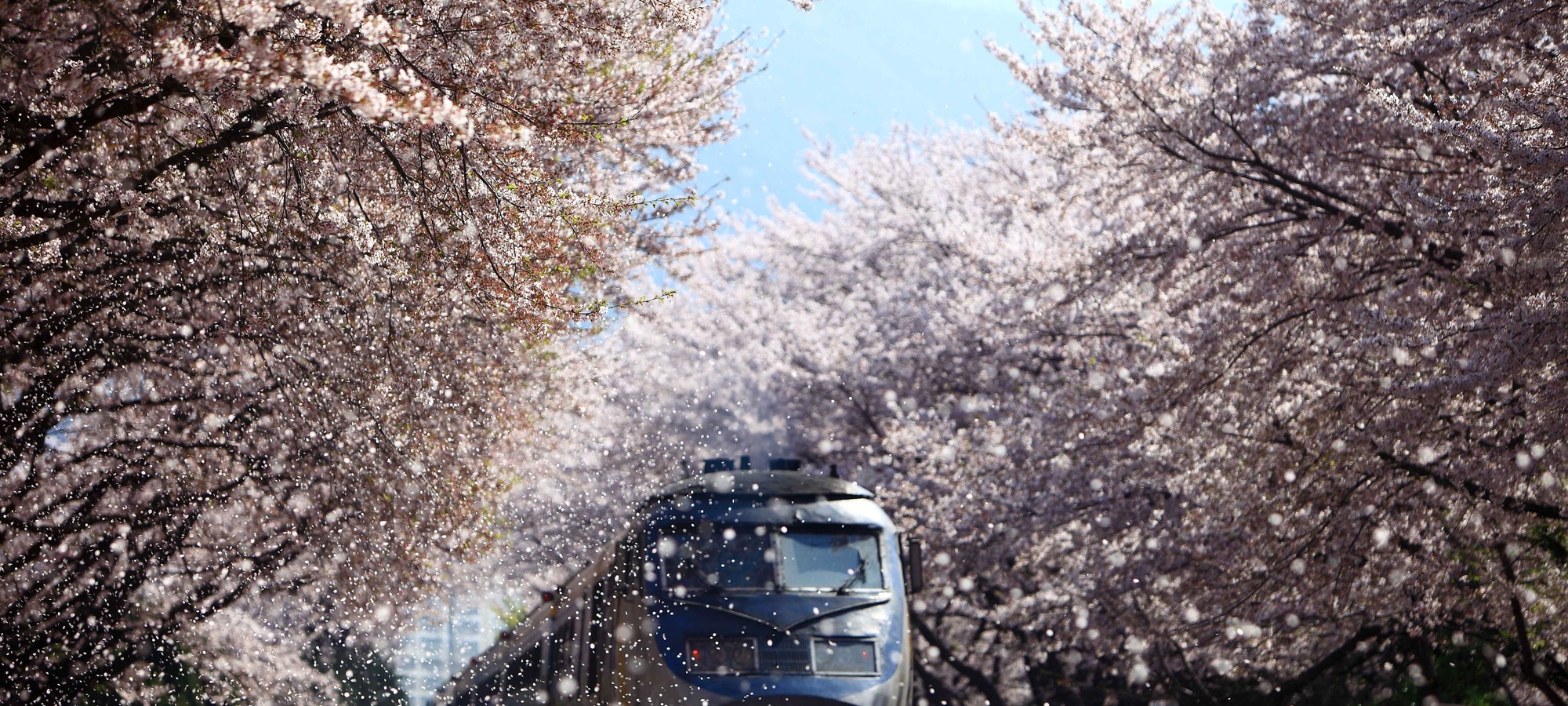
Spring timing, Seoul vs Jinhae, festival pressure, and which tour route makes the most sense.
Quiet Seoul corners, Busan neighborhoods, market habits, and small places that make the big tour stops easier to understand.
Seasonal festivals, local warnings, monthly timing, and a clickable Korea map.
Practical Seoul, Busan, family, food, blossom, and rainy-day routes.
Neighborhoods, food streets, market stops, and day-trip choices from Seoul.
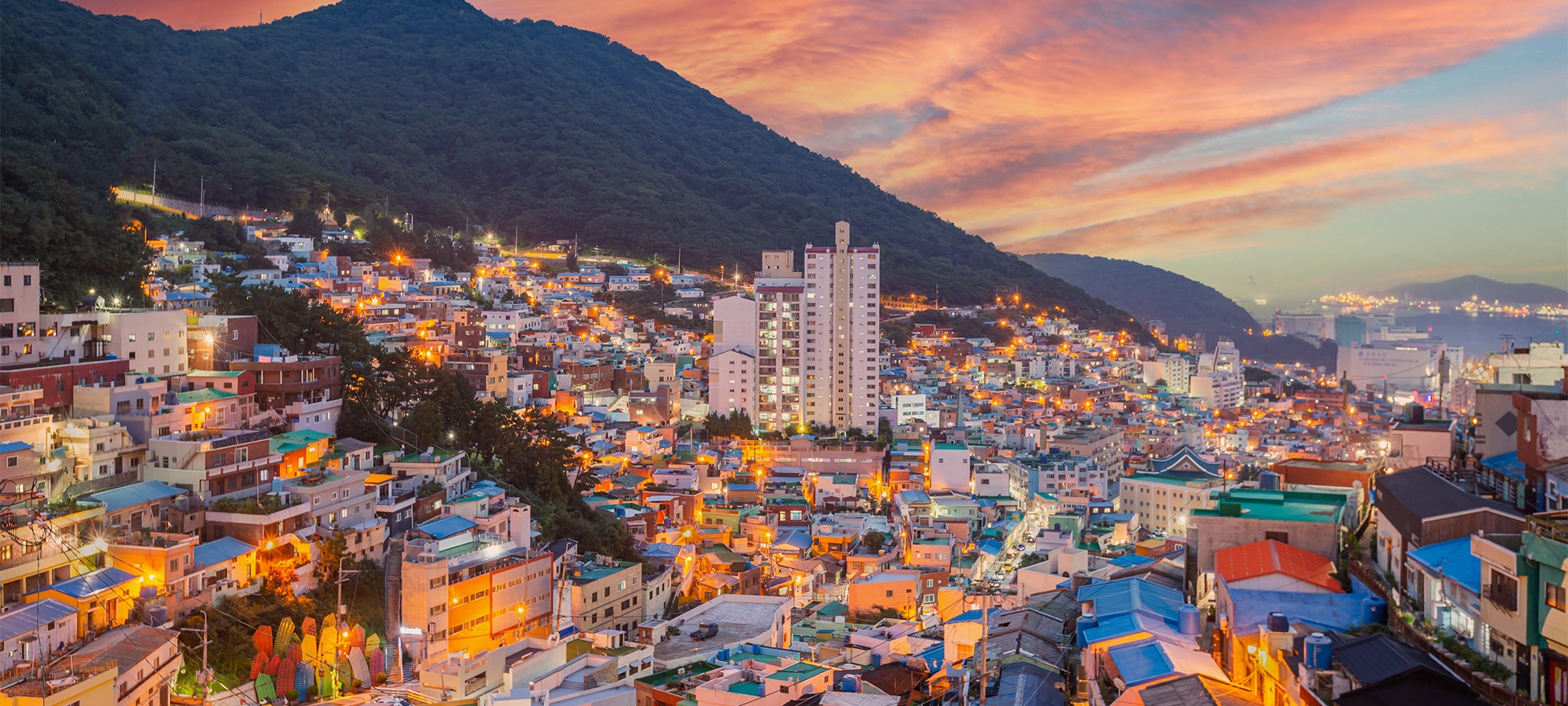
Coastal routes, old-town food, sky capsule decisions, and Gyeongju pairings.
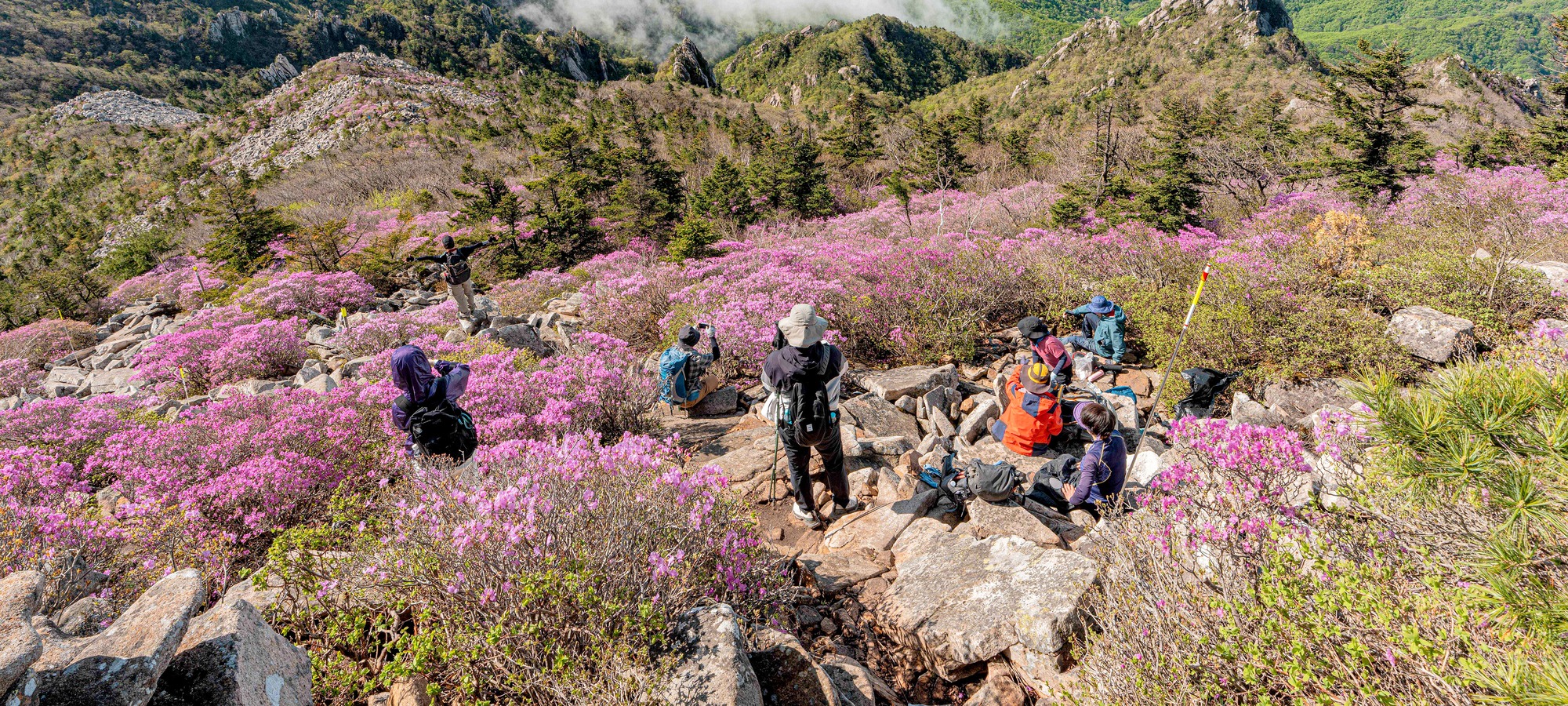
How Korea fall color moves from Seoraksan to Seoul, Nami, Gyeongju, and Busan.
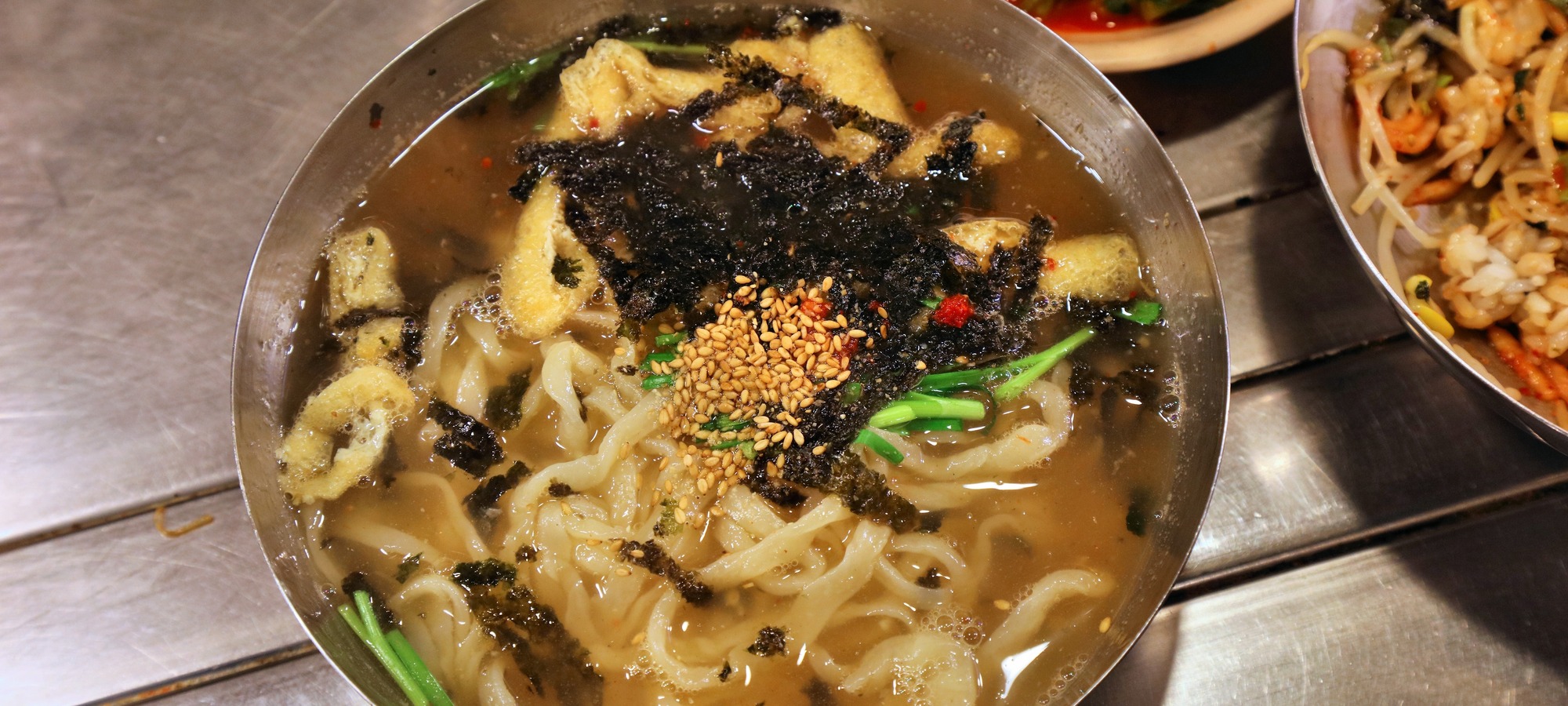
What to order, where to try it, and how to build a food-first day in Korea.
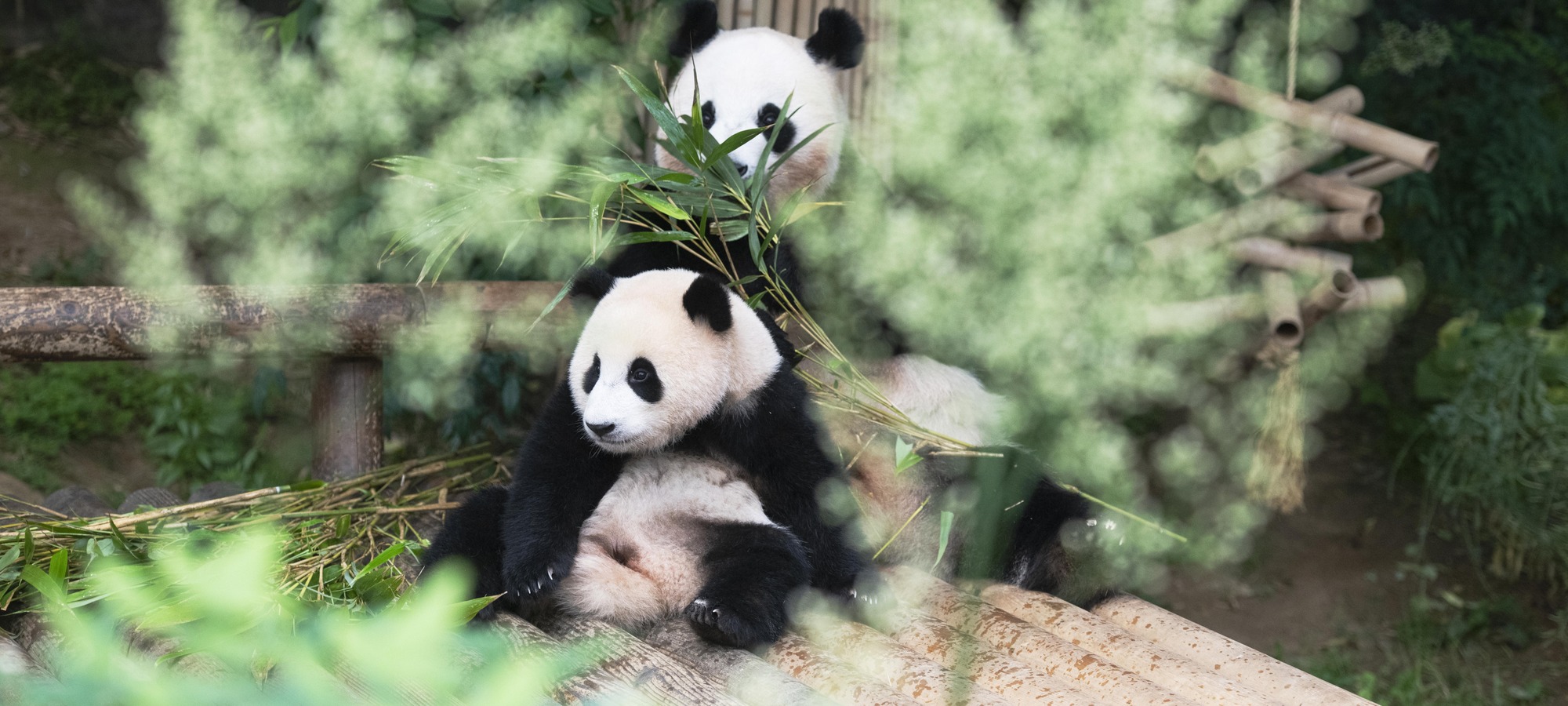
Which days are easy, which are too long, and what to choose with children or teens.
The best tour pages should tell the small origin story: how the place began, what Koreans associate with it, and what to notice when you are there.
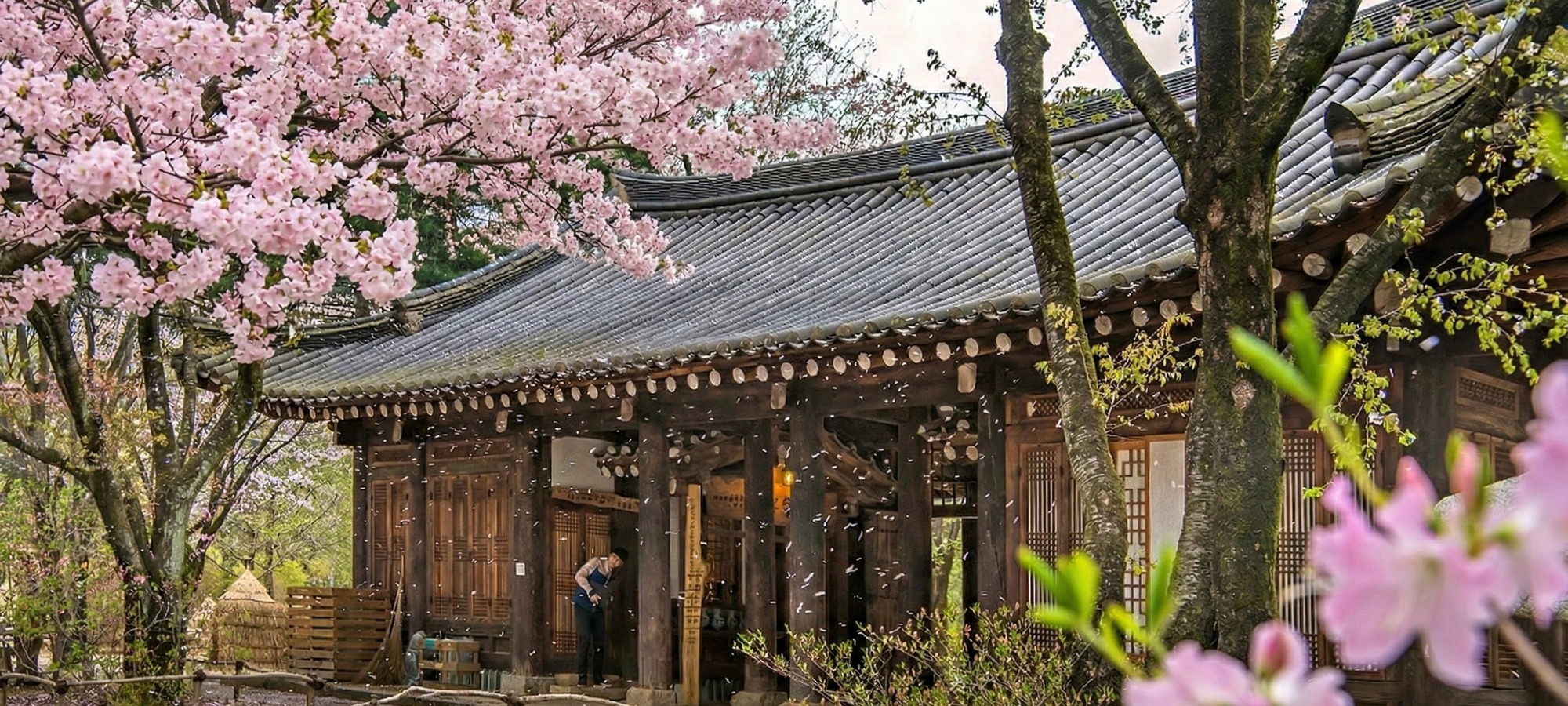
Not just a photo stop: a river island tied to General Nami, later reshaped into a quiet culture park that Koreans associate with seasons, first loves, and slow walks under trees.
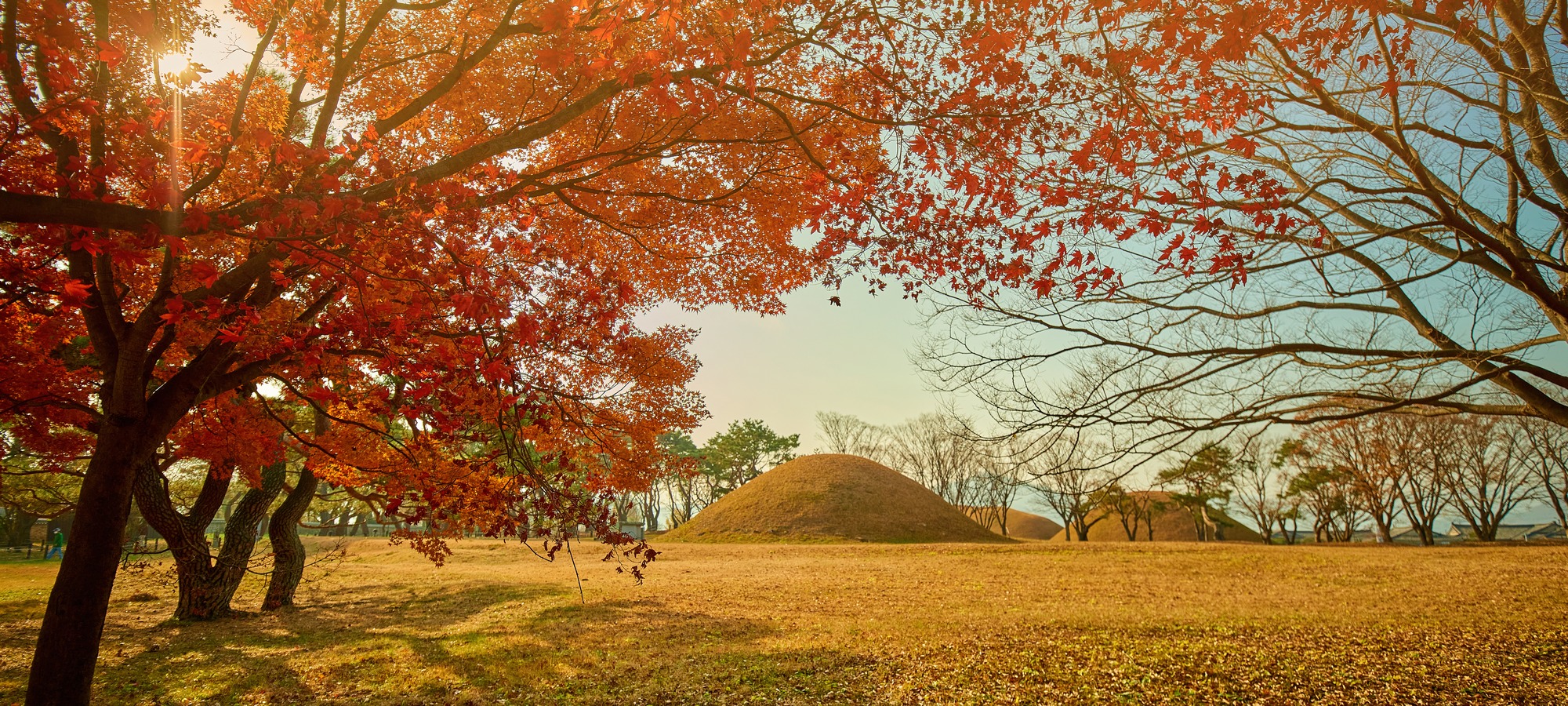
The old Silla capital is Korea's open-air memory palace. Tombs, ponds, temples, and palace sites make more sense when visitors know this was once a royal city.

Busan is a port city first. Its beaches, markets, cliff temples, and sky capsules all sit inside a city shaped by sea trade, refugees, seafood, and hills.
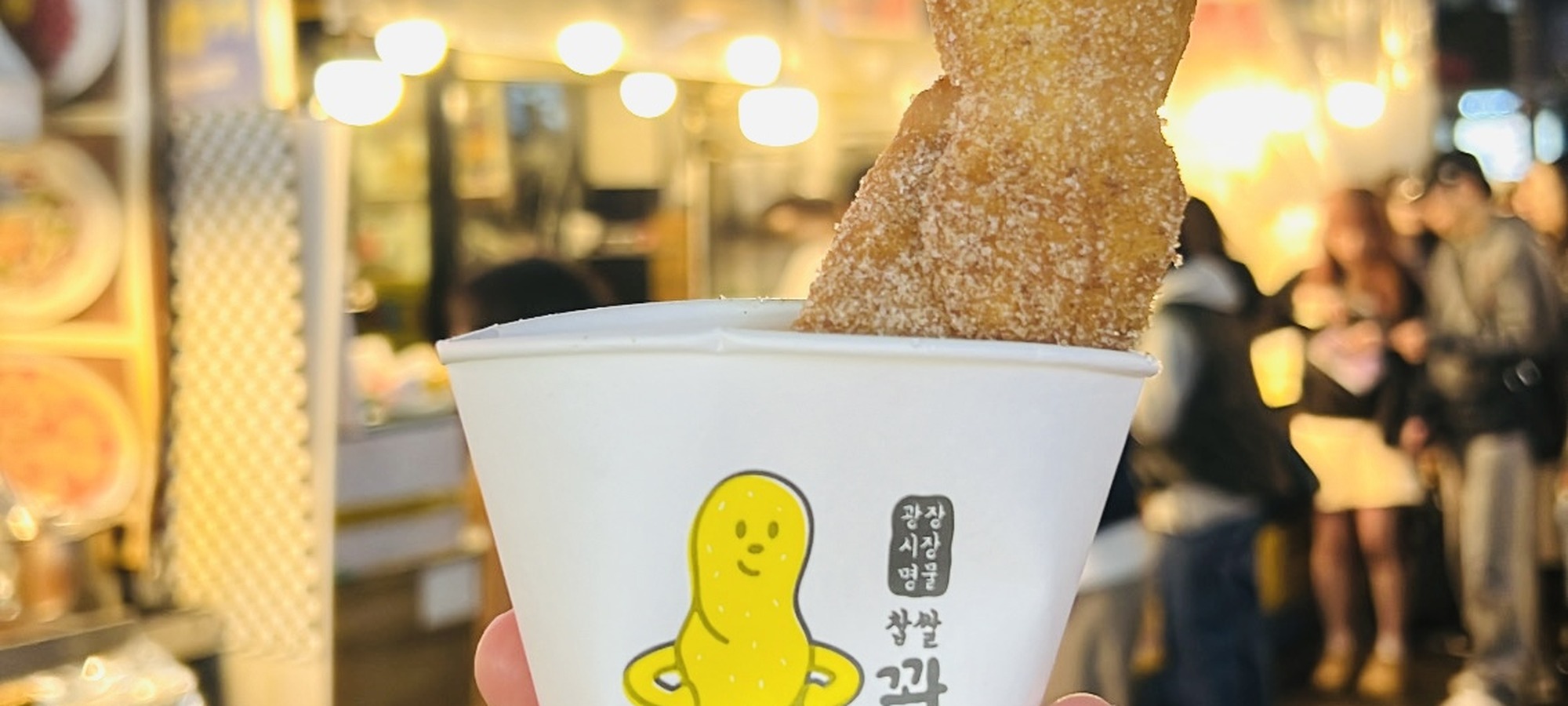
Places like Gwangjang are not just food stops. They are living examples of Seoul's working-class appetite: quick, loud, generous, and built around sharing.
TripGuide Korea should grow around the questions people search before they book: where locals go, what a place means, what to skip, and which route fits the mood of the trip.
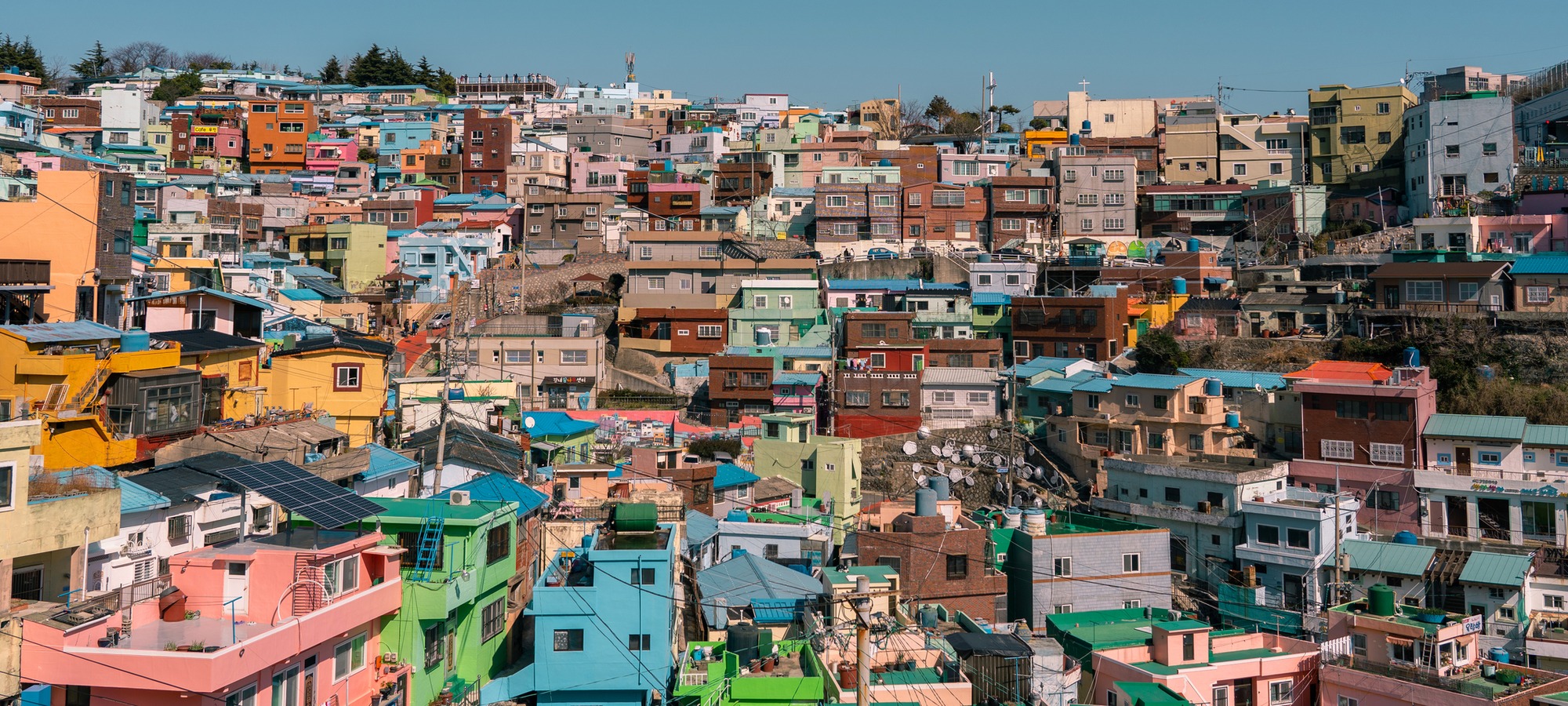
Small guides around Mangwon, Euljiro, Buam-dong, Choryang, Jeonpo, Dadaepo, and Gyeongju side streets.
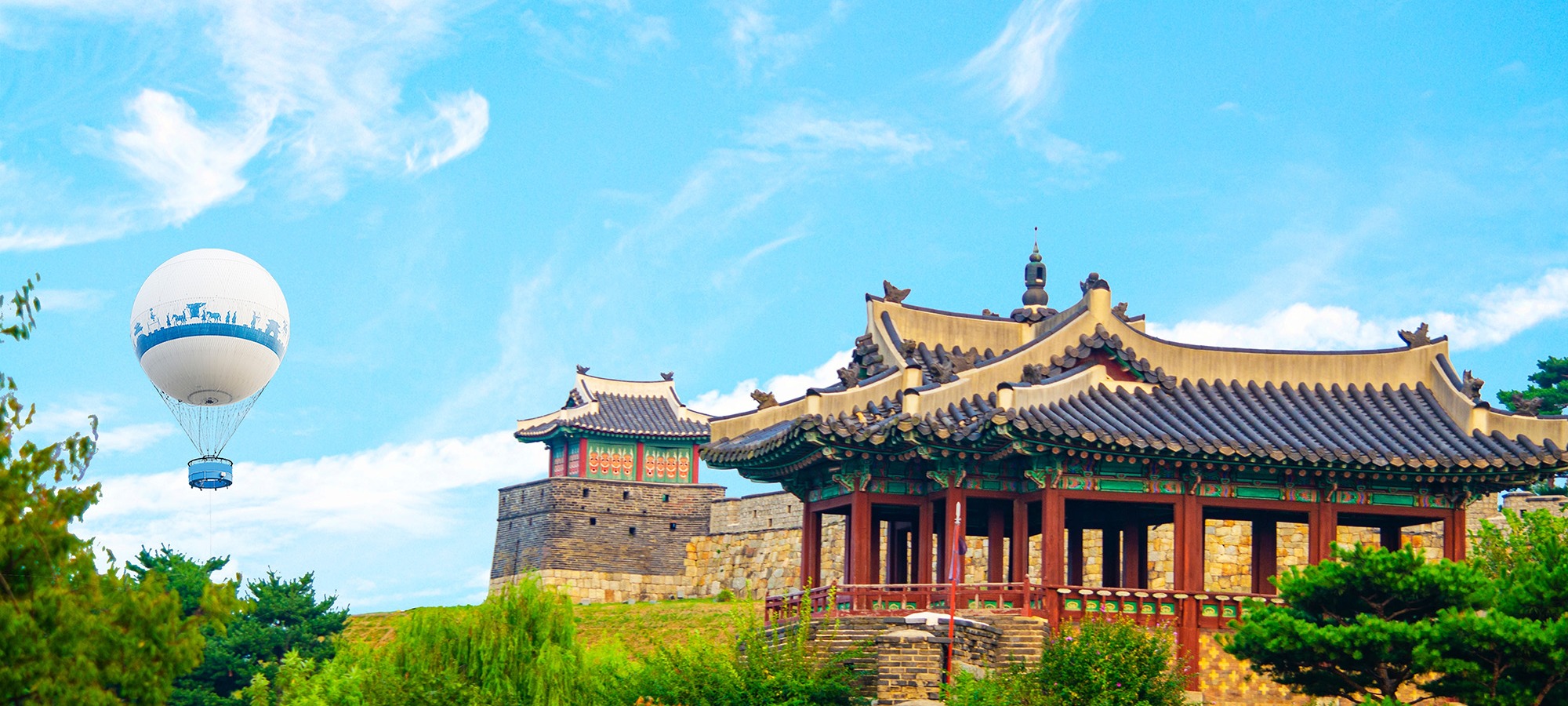
Short cultural backstories for Nami, Suwon, Gyeongju, Gwangjang, Haedong Yonggungsa, Gamcheon, and the old rail routes.
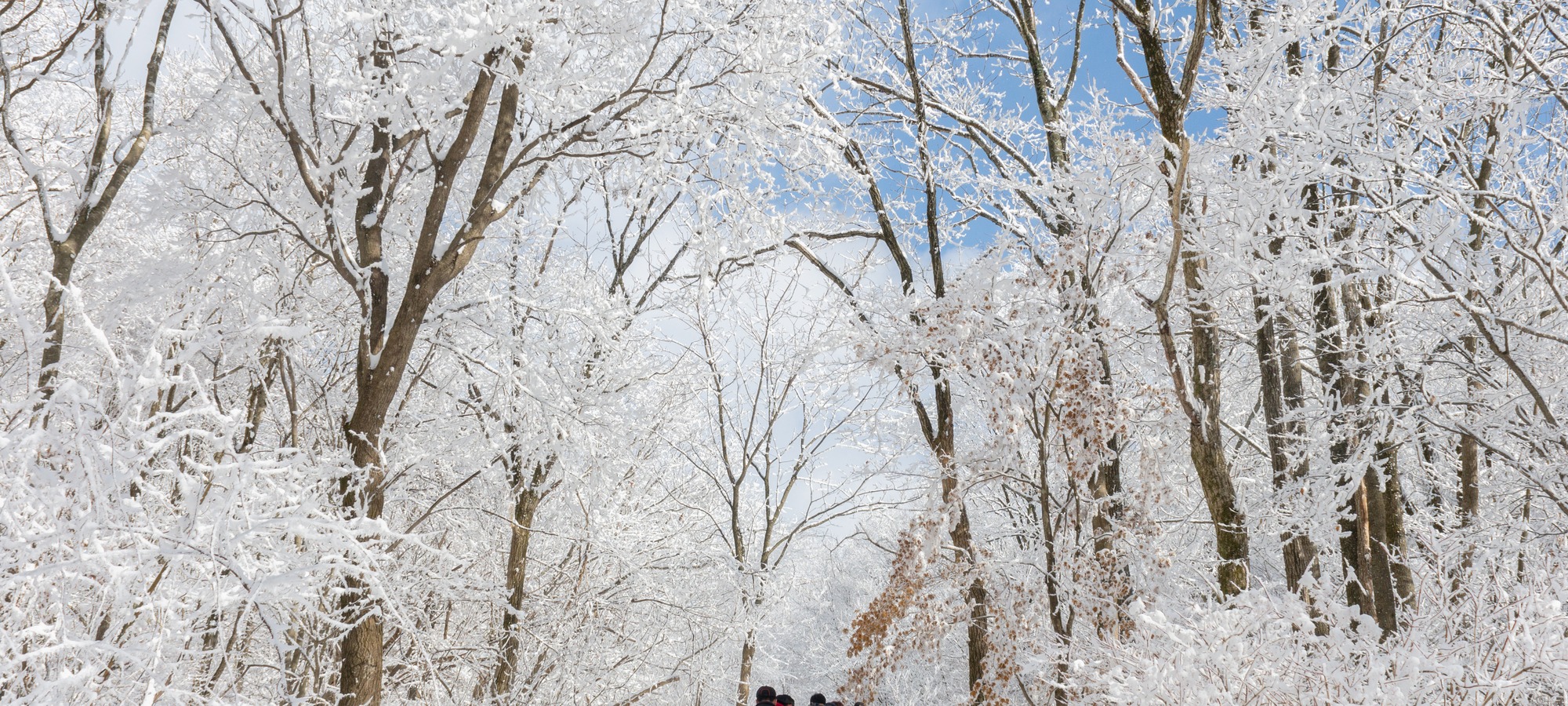
Helpful comparisons like Nami vs Seorak, Busan city vs Gyeongju, or market night vs coastal evening, without pushing a booking too early.
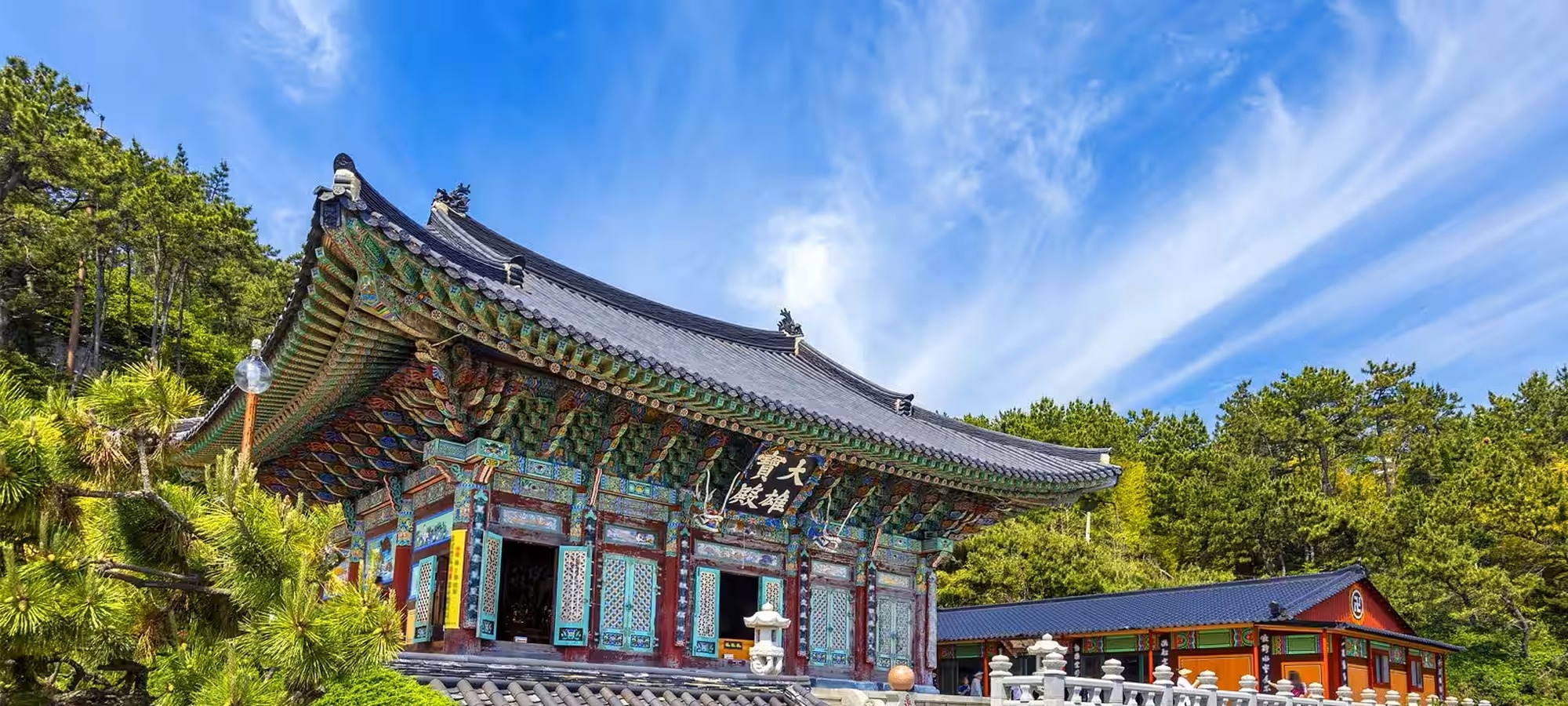
Every guide should use real TripGuide images so visitors can feel the place before reading logistics.
The guide pages answer the things travelers actually wonder about: blossom timing, Seoul day trips, Busan routes, whether Nami is worth it, and what works with children.
Readers get the story first. If they need live dates, pickup points, or current prices, the operator link is available without taking over the page.
The site works best when articles explain what the place means, where it came from, who will love it, and what to notice while walking through it.