Our takeWhat this place actually is
Gwangjang Market turned 120 in 2025, and it shows — same iron-framed ceilings as 1905, same ajummas in the same stalls, same tin trays of *bindaetteok* (mung-bean pancakes) getting flipped in the same cast-iron pans. What's changed is the Netflix factor. *Street Food: Asia* (2019) made the Cho Yoonsun stall famous; the queue for her *yukhoe* (raw beef tartare) now runs an hour. We don't go there.
We go two aisles over. There's an ajumma who's been running her *bindaetteok* station since 1978, still 5,000 won for a pancake the size of your face. She won't speak English but she'll insist you sit down even if you only wanted one to go. That's the market.
If you come for one thing: the *mayak gimbap* (so good it's nicknamed "narcotic rice rolls"). If you come for the experience: the back-alley *makgeolli* (rice wine) joints that open at 3pm and fill up with retirees by 5.
The story behind the places
Gwangjang Market
Gwangjang Market is one of Seoul's old working markets, and its food alleys feel direct because they are built around speed, appetite, and sharing. Bindaetteok, mayak gimbap, knife-cut noodles, and hot oil on griddles tell you more about Seoul than a polished restaurant sometimes can.
What the day looks like
Before the timetable, look at the visual clues: the color, scale, and small details that tell you what kind of day this will feel like.
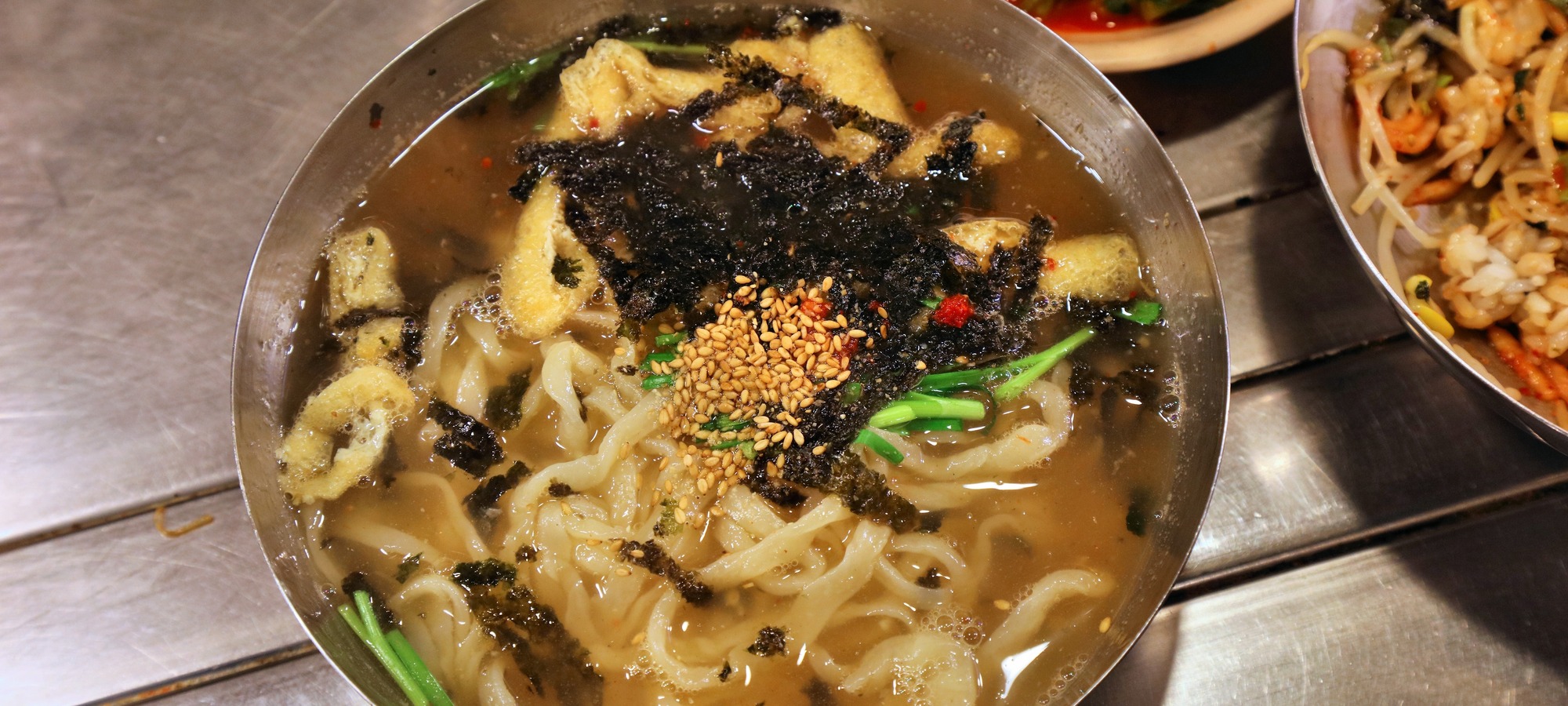
Gwangjang Market
This is where Seoul feels most immediate: steam, oil, tiny stools, and dishes that make more sense once someone explains what locals order first.
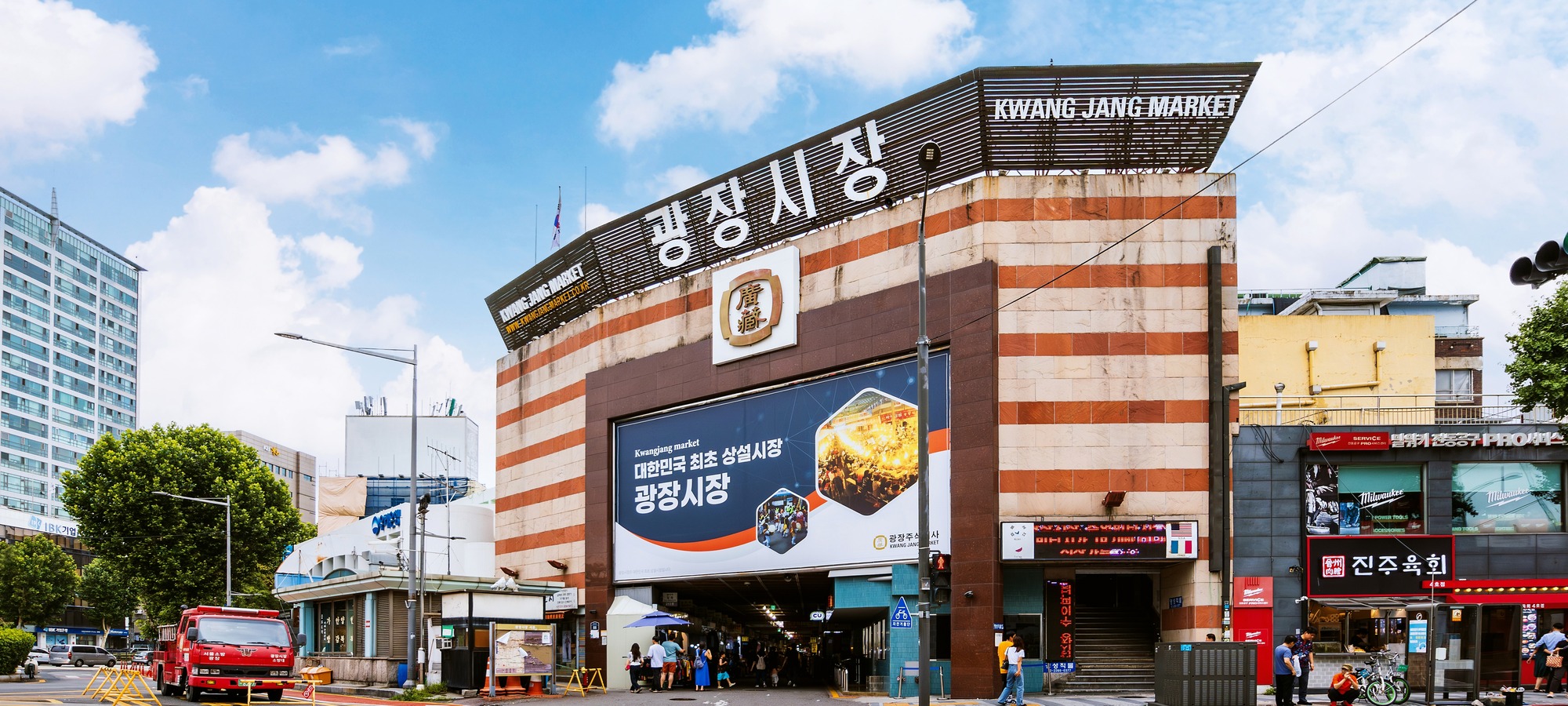
Seoul Night View
Korean night views are social spaces. The city lights become a reason to walk, snack, take photos, and stay out longer.
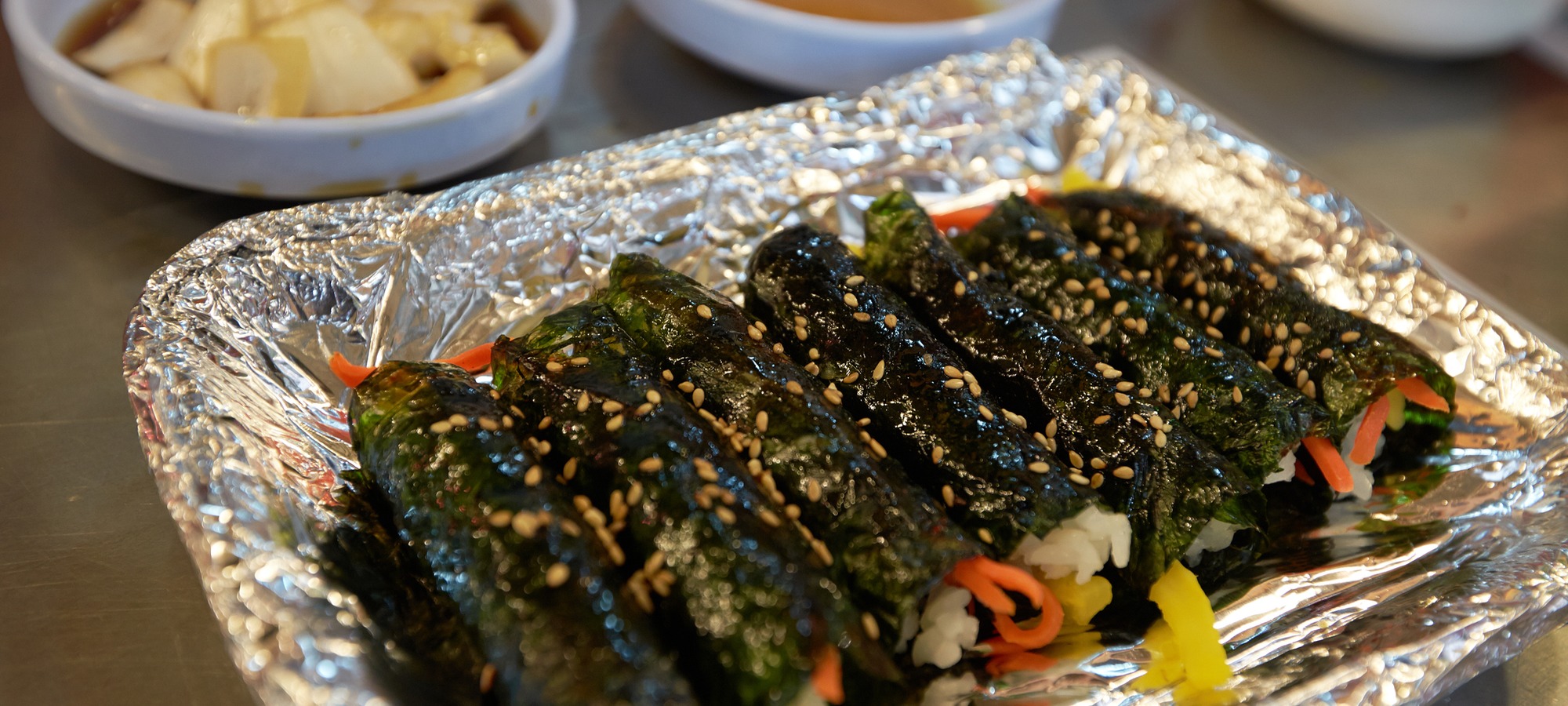
Gwangjang Market
This is where Seoul feels most immediate: steam, oil, tiny stools, and dishes that make more sense once someone explains what locals order first.
About this tourThe tour itself
Immerse yourself in Seoul's most authentic culinary experience at Gwangjang Market, a vibrant traditional marketplace where generations of food vendors have perfected their craft. This unique food challenge tour invites you to taste 10–12 distinctive Korean dishes at small family-run stalls while earning stamps on a challenge card—try everything from mouthwatering bindaetteok (mung bean pancakes) to kalguksu (knife-cut noodles) to fresh gimbap (vegetable rice rolls). You'll experience authentic Seoul street food culture, meet passionate food vendors, and celebrate your achievement with a traditional Korean souvenir. This is Seoul food tourism at its most intimate and rewarding.
GalleryMoments from this tour
HighlightsWhat makes this tour special
ItineraryYour journey
Check dates only when you need them
We keep the story and planning notes here. Current schedules, pickup points, and live prices are handled separately by the operator, so you can read first and decide later.
See current tour details No rush - the guide above is here to help you understand the place first.PricingCurrent rates
ServicesWhat's included
✓ Included
✗ Not included
FAQCommon questions
Do it yourself
If you'd rather skip the tour and DIY, here's what you need to know. Honest version.
Events, festivals, things to watch for
- March 2026: Market-wide renovation of the east wing roof completed — better ventilation means less smoke during summer.
- Every Saturday through summer: free traditional music performances near the main gate at 2pm.
- August 15 (Liberation Day): Market stays open but most stalls close early for the holiday.
Beyond this tour
Things near here we think are worth it. Not all our bookings.
- Bibigo Gwangjang: A modern spin-off 5 min walk away. Instagram-y and pricier but cleaner seating if your knees hurt from the stools.
- Dongdaemun Shijang: A 15-min walk east — Korea's largest wholesale market. Fabric + clothing if that's your thing; food is secondary.
- Jongmyo Shrine: 10 min walk south, UNESCO-listed Confucian shrine. Ritual performances first Sunday of May/September.
- Ikseon-dong: 5 min walk south. Hanok alleys turned café district. Pre- or post-market stop.
Korea in 2026 — what's coming up
The calendar everyone planning Korea should know about. Useful whether you're on our tour or not.
- Cherry blossoms peak in Seoul around April 4–9; Jinhae a few days earlier.
- Jinhae Gunhangje Festival runs late March through early April — Korea's biggest cherry blossom festival, over a million visitors.
- Seoul Jazz Festival, end of May at Olympic Park — line-up drops mid-April.
- Children's Day (May 5) — theme parks absolutely packed; skip Everland/Legoland that week.
- Buddha's Birthday (May 25 in 2026) — temple tours are magical; Seoul Lotus Lantern Festival lights up streets for 5 days.
- Gyeongju Cherry Blossoms are done by now — shift to spring flowers at Morning Calm instead.
- BTS Busan-area reunion event (early June) — expect Busan hotels to hit peak prices.
- Hansik Day (June 6) — traditional Korean food gets spotlighted; Gwangjang Market runs a special all week.
- Dano Festival (late June) — Gangneung hosts the oldest one, UNESCO Intangible Heritage.
- Monsoon season — plan for 3–5 rainy days per week. Indoor/evening tours win.
- Boryeong Mud Festival (mid-July) — two-hour drive from Seoul; still one of Korea's oldest international festivals.
- Busan Sea Festival — beachfront concerts at Haeundae + Gwangalli through August.