Local guide

Local spots and hidden gems, explained like a friend would explain them.

This is the quiet layer of TripGuide Korea: neighborhoods, alleys, markets, coastlines, and small cultural clues that make the famous places feel less random once you arrive.

Seoul corners worth slowing down for

Mangwon. Come before dinner, not at noon. The market feels local because people are buying side dishes, fried snacks, fruit, and picnic food for the Han River nearby. It is a good counterweight to Myeongdong.

Euljiro. The metal workshops, print shops, old bars, and tiny restaurants make it feel half industrial and half cinematic. Go gently here: many streets are still working streets, not a theme zone.

Buam-dong. A slower hillside neighborhood near the old city walls. It is good for cafe windows, small galleries, and the feeling of Seoul stepping away from itself for a moment.

Seongsu backstreets. The main cafe streets are famous now, but the best texture is still in the side lanes where old factories, design studios, bakeries, and showrooms sit beside each other.

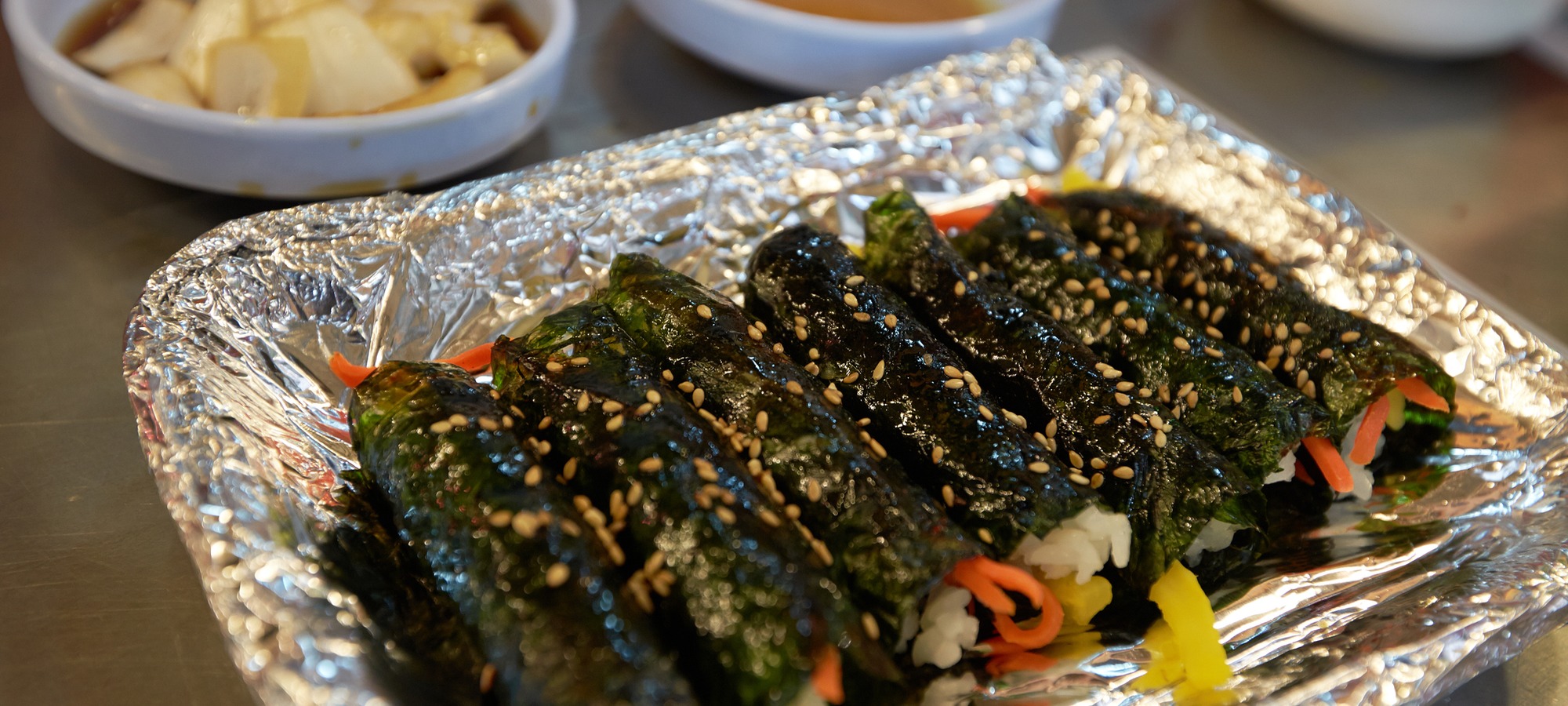
Food stalls and market texture in Seoul

Busan places locals claim

Choryang. The old station-side neighborhood has steep stairs, Chinese-Korean food, and a port-city feeling that predates most glossy Busan travel lists.

Jeonpo. Busan's cafe-and-workshop district is more relaxed than Seongsu and still has a practical local rhythm under the stylish layer.

Dadaepo. Far from the usual Haeundae loop, it has a wide beach, big sunsets, and a mood that feels more local because it takes effort to reach.

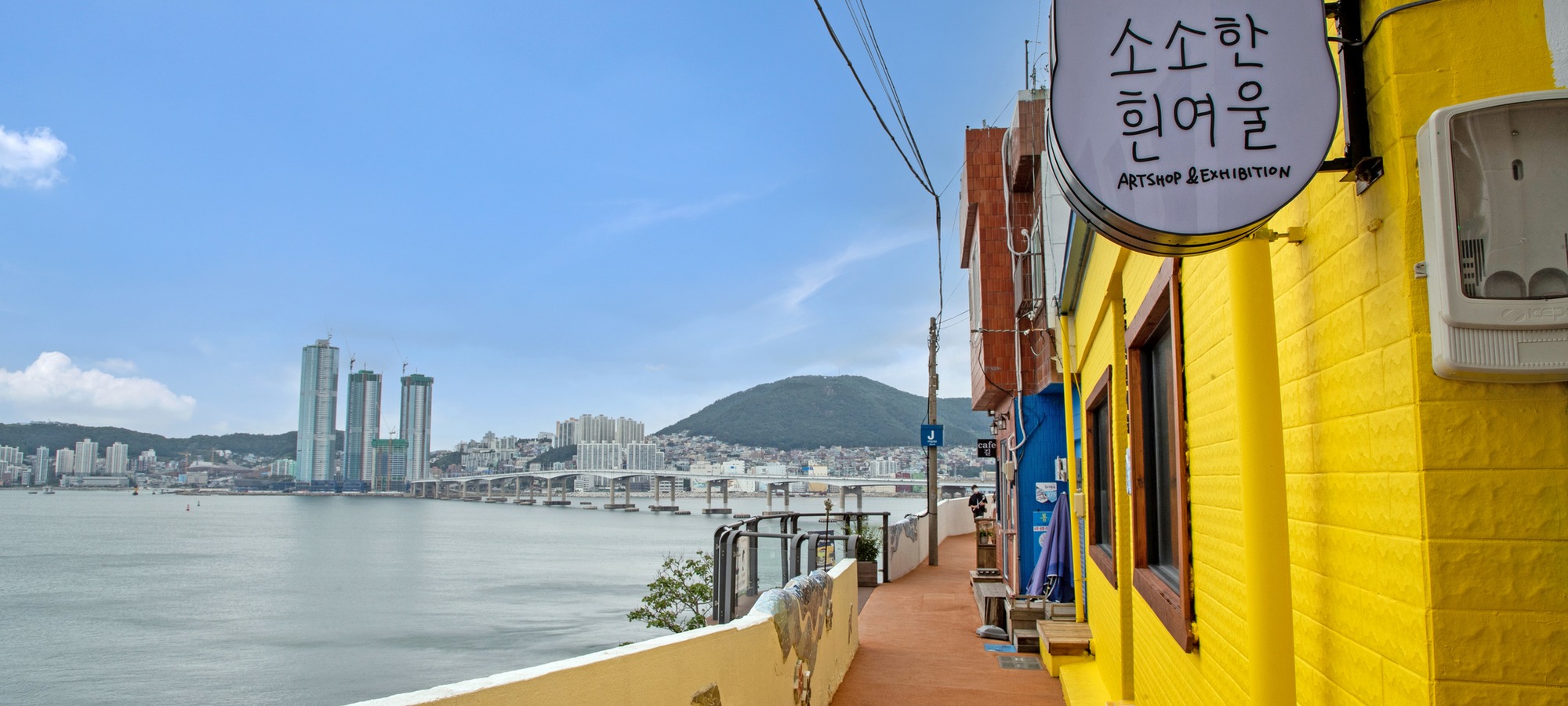
Huinnyeoul. It is no longer secret, but it still teaches Busan well: houses pressed against cliffs, sea lanes, small cafes, and the sense that the city grew vertically because the coast left little flat space.

Huinnyeoul coastal village in Busan

How to use hidden gems without forcing them

Pair one small place with one famous place

Nami plus a quiet cafe, Gwangjang plus Euljiro, Haeundae Sky Capsule plus Jeonpo. Too many hidden gems in one day stops feeling local and starts feeling like homework.

Respect working neighborhoods

If a street is full of repair shops, markets, or homes, move slowly and keep photos thoughtful. The point is to notice Korea, not turn every corner into a backdrop.

Follow the food rhythm

Markets are best when people are actually eating. Morning for daily shopping, late afternoon for snacks, evening for street-food energy.

Let weather choose

Rainy day: markets, museums, covered arcades. Clear evening: Han River, Dadaepo, Busan coast, Suwon fortress walls.

Soft route ideas

Content machine

Hidden-gem candidates worth saving.

Local gems enter as small notes first. The page only grows when a place earns its place.

Seongsu route idea Seoul

Seoul Forest to Seongsu is the current soft-power walk.

Start with Seoul Forest while the day still has light, then move into Seongsu's workshop lanes for coffee, design stores, and dinner. The useful story is the contrast: planned public garden space beside streets that still carry traces of old factories.

Local read: Weekday late afternoon is the sweet spot. Weekends turn the most obvious cafe streets into a queue map.

Busan local evening Busan

Dadaepo should be a sunset plan, not only a fountain plan.

Send travelers here when they have already done Haeundae and Gwangalli, or when they want Busan to feel less polished. The beach is wide, the sunset is generous, and the distance from the standard loop is part of why it works.

Local read: Arrive before sunset, keep dinner flexible, and do not schedule a tight cross-city transfer afterward.