About this tourOverview
Experience Korea's two most iconic natural landmarks in a single unforgettable journey. Begin at Nami Island, the legendary filming location of hit K-drama Winter Sonata, where towering metasequoia trees create a dreamlike tree-lined road famous worldwide. Then venture to Mt. Seorak, part of the Seoraksan National Park, showcasing some of Korea's most dramatic granite peaks, misty valleys, and pristine alpine scenery. This comprehensive day tour from Seoul combines K-drama magic with mountain grandeur, perfect for nature lovers and K-pop fans alike.
The story behind the places
Nami Island
Nami is not just a pretty island. It is named for General Nami, a young Joseon-era military figure whose story gives the island a slightly legendary feeling. Modern Koreans also know it through dramas, tree-lined walks, and the way each season changes the same paths into a different mood.
Korea's cherry blossom season
Cherry blossoms in Korea are loved because they are brief. Locals watch forecasts, compare neighborhoods, and move quickly when the flowers open. A blossom stop is less about one tree and more about joining that short national ritual of walking, taking photos, and noticing spring before it disappears.
Seoraksan and Naksansa
Seoraksan is one of Korea's most beloved mountain landscapes, famous for granite peaks, autumn color, winter snow, and temple air. Naksansa adds the sea-facing spiritual layer: a coastal Buddhist temple associated with the monk Uisang and devotion to Gwaneum, the bodhisattva of compassion.
What the day looks like
Before the timetable, look at the visual clues: the color, scale, and small details that tell you what kind of day this will feel like.
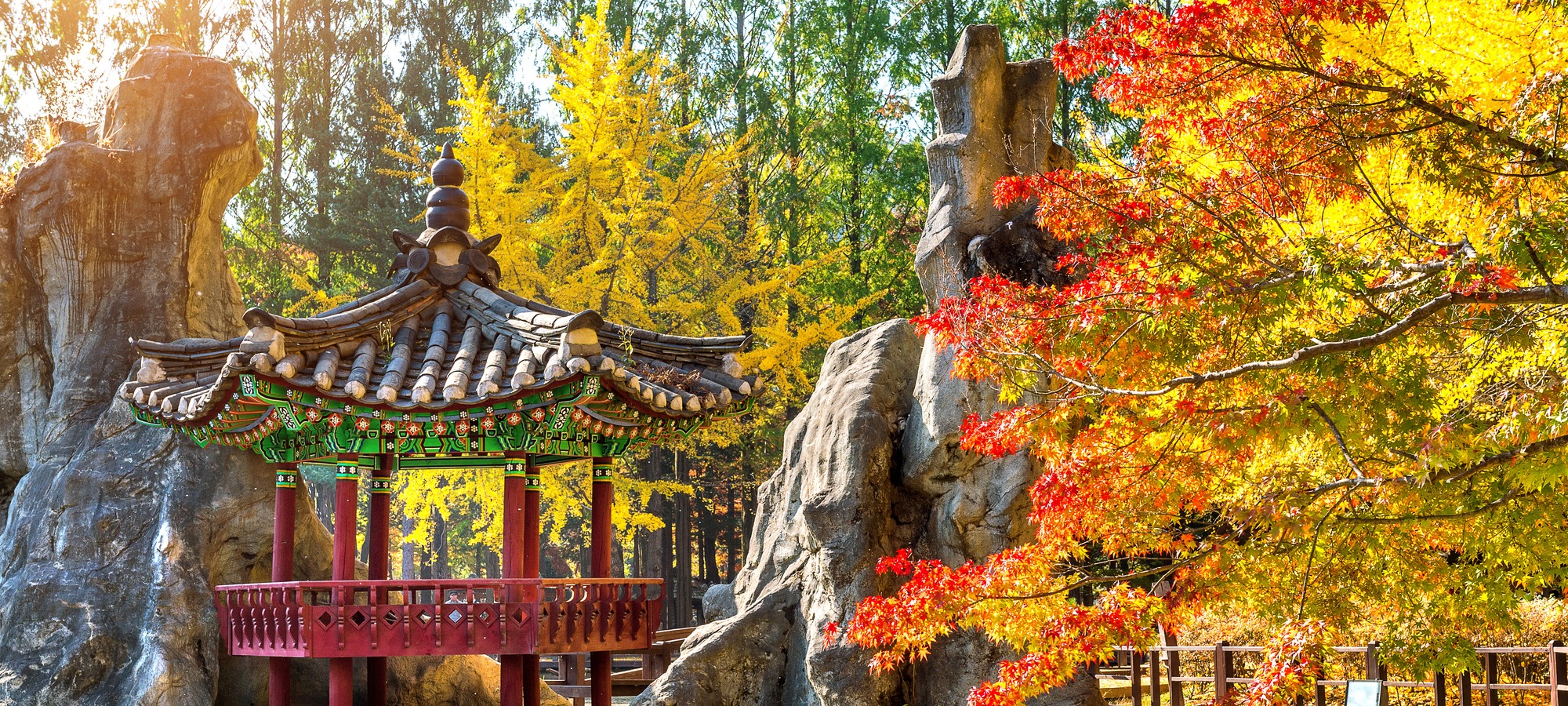
Nami Island
The famous paths are simple on purpose. Nami works because the trees, ferry crossing, and seasonal light make the day slow down.
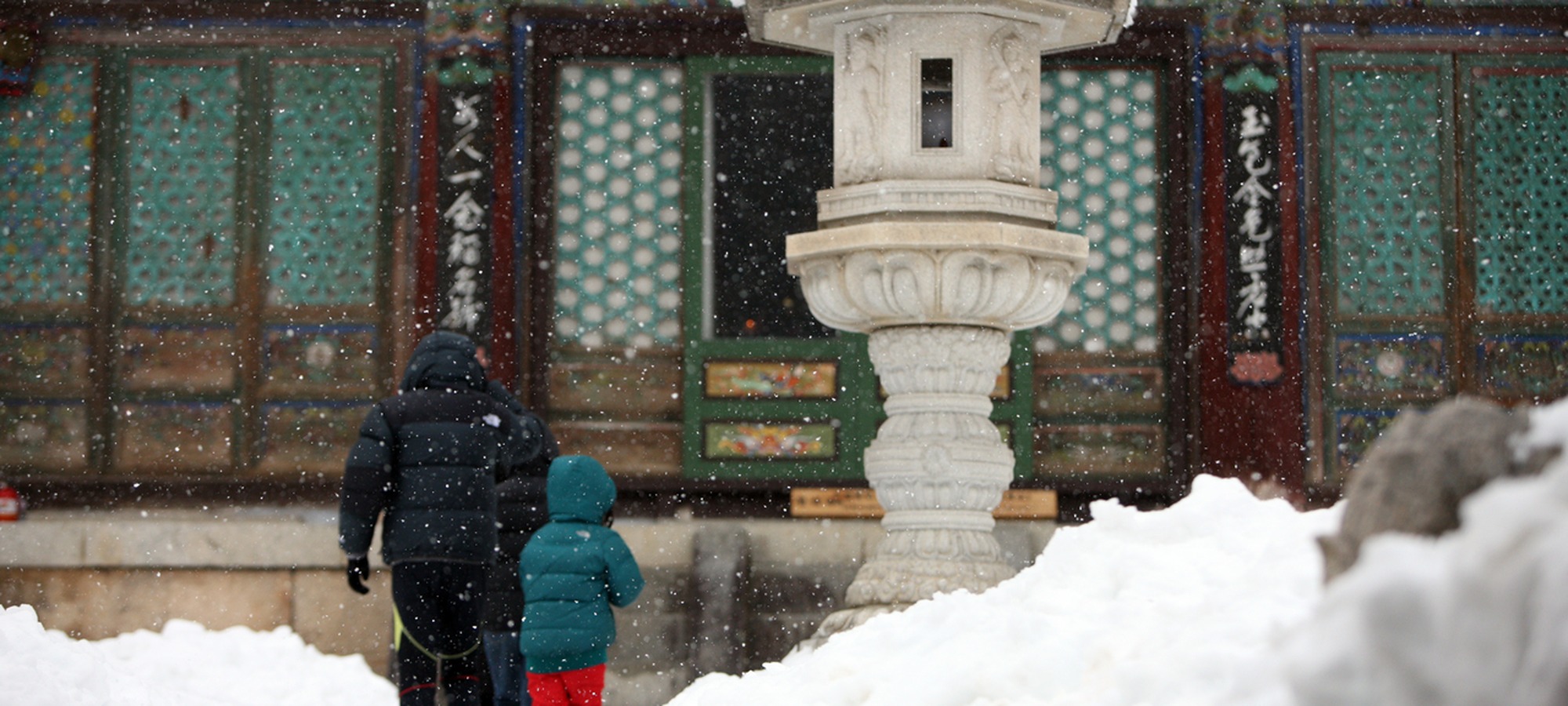
Mt Seorak
Seoraksan is not just a mountain view. It is one of Korea's emotional landscapes, especially in autumn when people travel for the color change.
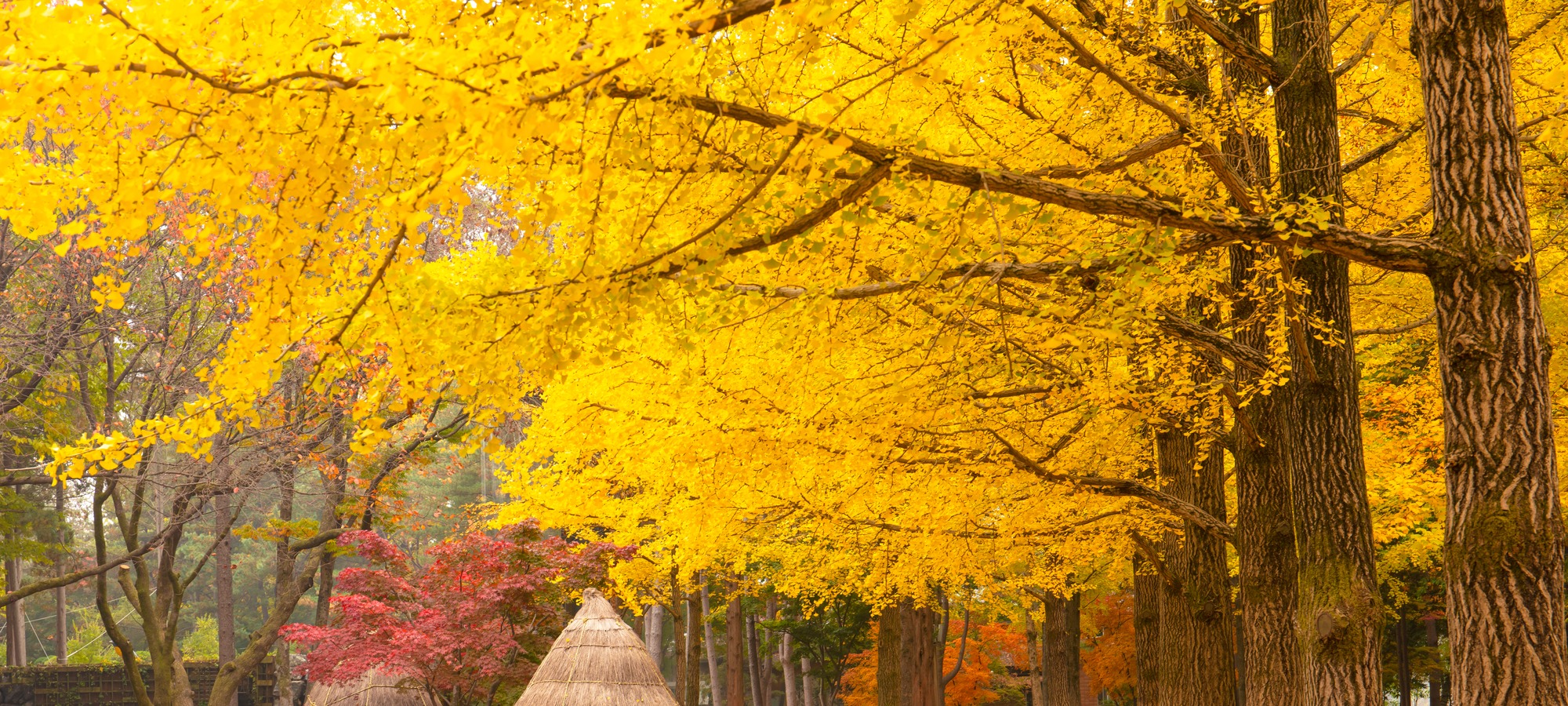
Nami Island
The famous paths are simple on purpose. Nami works because the trees, ferry crossing, and seasonal light make the day slow down.
GalleryMoments from this tour
HighlightsWhat makes this tour special
ItineraryYour journey
Check dates only when you need them
We keep the story and planning notes here. Current schedules, pickup points, and live prices are handled separately by the operator, so you can read first and decide later.
See current tour details No rush - the guide above is here to help you understand the place first.PricingCurrent rates
ServicesWhat's included
✓ Included
✗ Not included
FAQCommon questions
Korea in 2026 — what's coming up
The calendar everyone planning Korea should know about. Useful whether you're on our tour or not.
- Cherry blossoms peak in Seoul around April 4–9; Jinhae a few days earlier.
- Jinhae Gunhangje Festival runs late March through early April — Korea's biggest cherry blossom festival, over a million visitors.
- Seoul Jazz Festival, end of May at Olympic Park — line-up drops mid-April.
- Children's Day (May 5) — theme parks absolutely packed; skip Everland/Legoland that week.
- Buddha's Birthday (May 25 in 2026) — temple tours are magical; Seoul Lotus Lantern Festival lights up streets for 5 days.
- Gyeongju Cherry Blossoms are done by now — shift to spring flowers at Morning Calm instead.
- BTS Busan-area reunion event (early June) — expect Busan hotels to hit peak prices.
- Hansik Day (June 6) — traditional Korean food gets spotlighted; Gwangjang Market runs a special all week.
- Dano Festival (late June) — Gangneung hosts the oldest one, UNESCO Intangible Heritage.
- Monsoon season — plan for 3–5 rainy days per week. Indoor/evening tours win.
- Boryeong Mud Festival (mid-July) — two-hour drive from Seoul; still one of Korea's oldest international festivals.
- Busan Sea Festival — beachfront concerts at Haeundae + Gwangalli through August.