Our takeWhat this place actually is
Busan is Korea's second city and has a chip on its shoulder about it — in the best way. Seoul is the corporate capital; Busan is the port town where half the country's seafood and most of its film industry live. The accent is rougher (Busan *satoori* is famously snappy), the food is spicier, the coffee is stronger.
The city tour hits the poster shots: Gamcheon (the hillside painted-houses village), Haedong Yonggungsa (the ocean-cliff temple), Gamcheon Culture Village, Songdo Skywalk. But the real Busan is in the alleys. Nampo-dong after dark, Jagalchi before 8am when the wholesale auction happens, the old back streets of Yeongdo where the granddaughters of the Korean War refugees still run noodle stalls.
We try to give you both.
The story behind the places
Busan as a port city
Busan makes the most sense when you remember it is a port city first. The hills, fish markets, seaside temples, beach trains, and cliff walks all come from a city shaped by the sea, trade, refugees, and neighborhoods squeezed between mountains and water.
Gamcheon Culture Village
Gamcheon began as a hillside settlement shaped by Korea's difficult postwar years, then slowly became known for painted houses, steep lanes, murals, and sea views. The color is cheerful, but the village also carries the memory of how Busan absorbed people and kept going.
Haedong Yonggungsa Temple
Most Korean temples sit in the mountains. Haedong Yonggungsa is special because it faces the sea, so prayer, waves, sunrise, and coastal rock all meet in one place. That is why locals often describe it as a temple to visit with both eyes and ears open.
What the day looks like
Before the timetable, look at the visual clues: the color, scale, and small details that tell you what kind of day this will feel like.
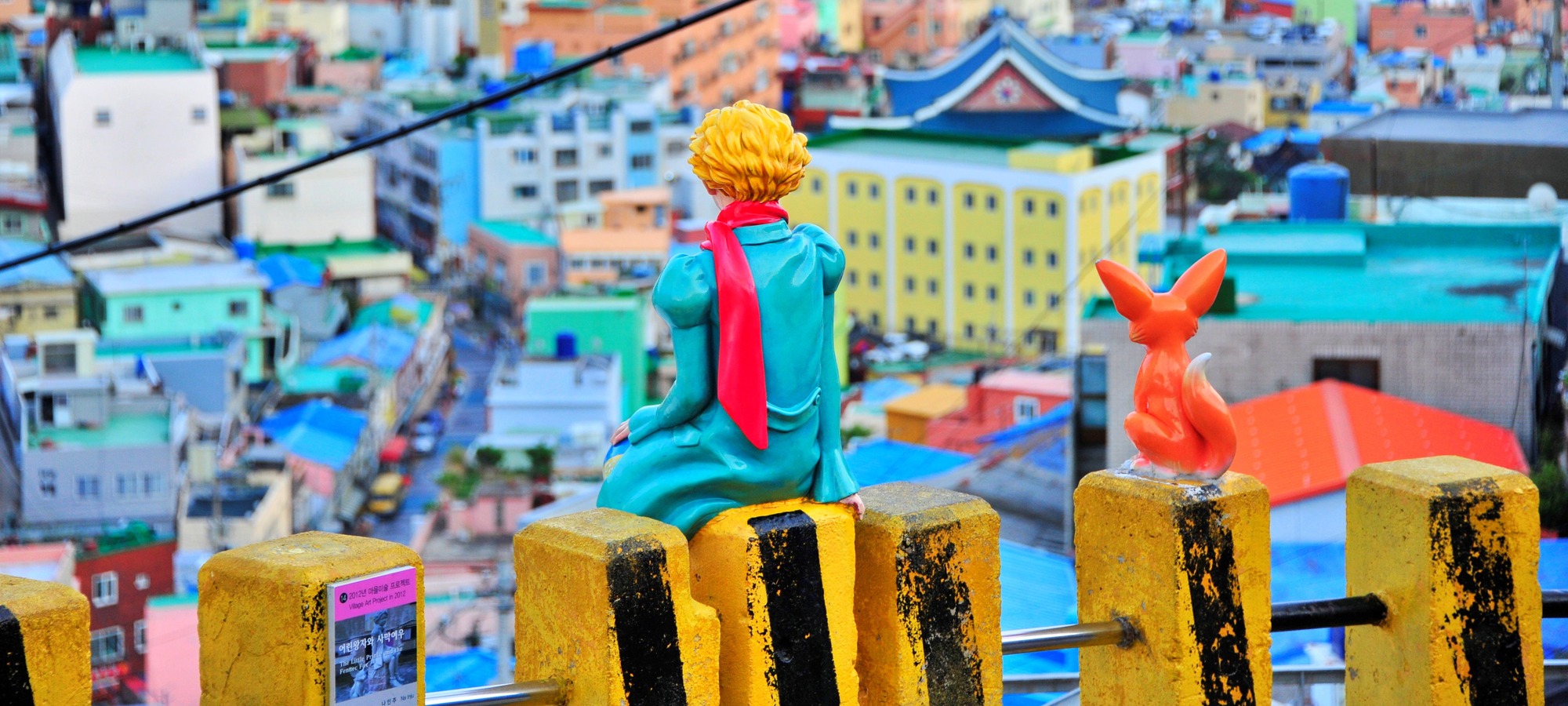
Gamcheon Culture Village
Gamcheon was not built as a photo spot. Its color sits on top of a harder hillside history, which makes the view more layered than it first looks.
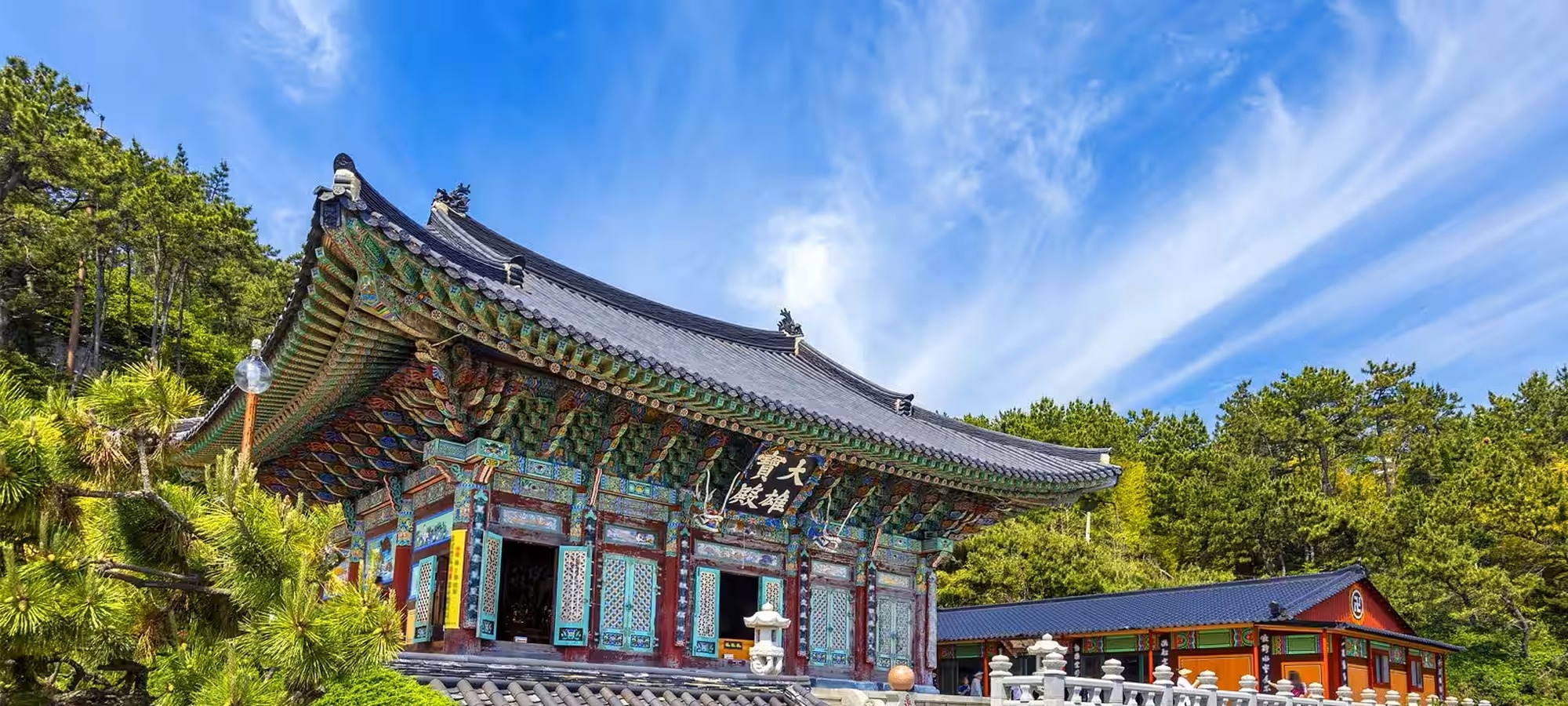
Haedong Yonggungsa Temple
Haedong Yonggungsa matters because it breaks the usual mountain-temple pattern. Here the temple faces waves, rock, and horizon.
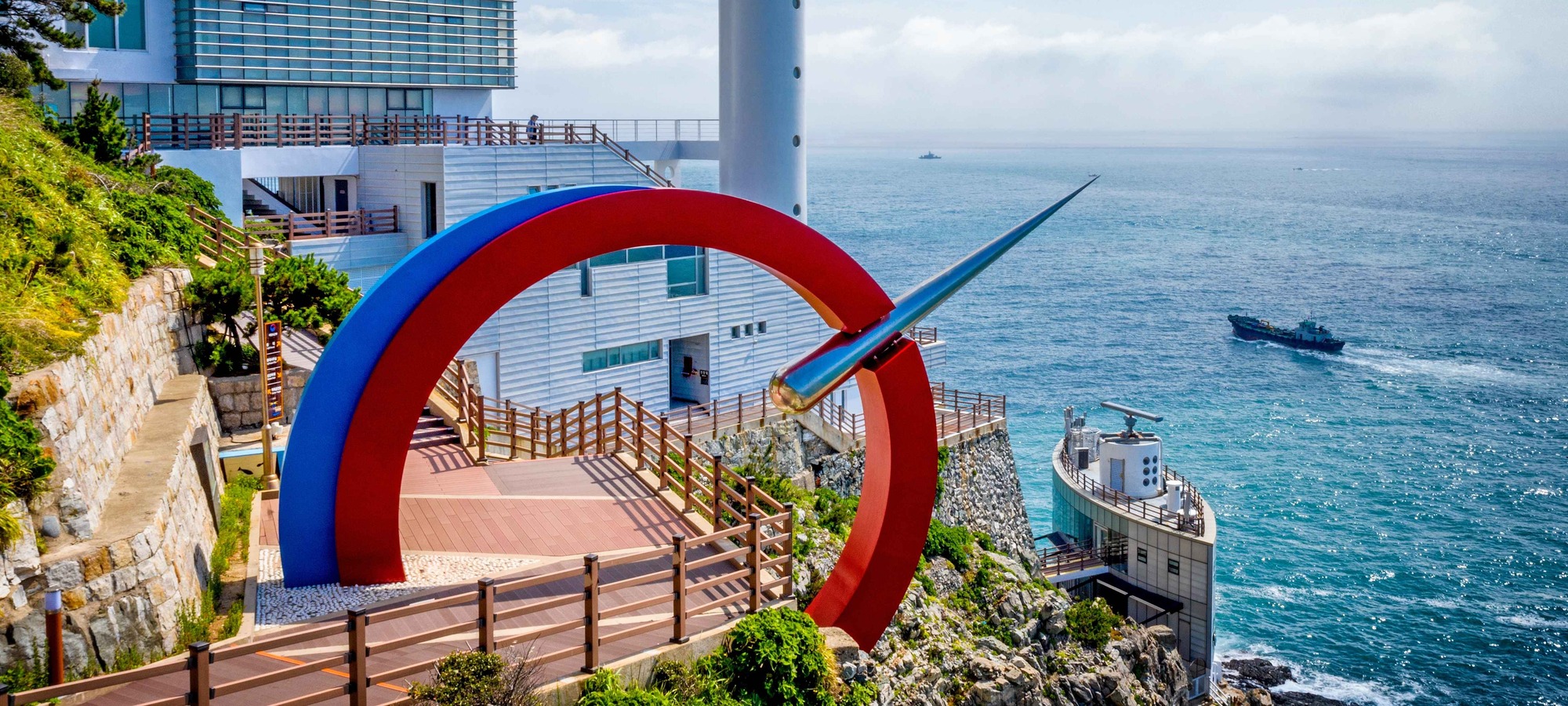
Taejongdae
Taejongdae is Busan's cliff-edge mood: pine, sea wind, and the feeling of the city dropping suddenly into open water.
About this tourThe tour itself
Experience the best of Korea with our expertly-guided day tour to Taejongdae + Gamcheon Culture Village + Songdo Skywalk + Haedong Yonggungsa Temple. Combine stunning scenery, rich cultural heritage, and seamless logistics for an unforgettable adventure. Whether traveling solo, with family, or as a couple, this carefully-designed itinerary lets you truly experience Korea.
GalleryMoments from this tour
HighlightsWhat makes this tour special
ItineraryYour journey
Check dates only when you need them
We keep the story and planning notes here. Current schedules, pickup points, and live prices are handled separately by the operator, so you can read first and decide later.
See current tour details No rush - the guide above is here to help you understand the place first.PricingCurrent rates
ServicesWhat's included
✓ Included
✗ Not included
FAQCommon questions
Do it yourself
If you'd rather skip the tour and DIY, here's what you need to know. Honest version.
Events, festivals, things to watch for
- October 1–10, 2026: Busan International Film Festival. Haeundae gets busy; book hotels 2 months ahead.
- June 2026: BTS Busan concert dates (TBD, likely mid-June). Hotel prices double.
- Year-round: Busan Comic Book Street (Bosu-dong) is reopening late April after a 6-month renovation.
Beyond this tour
Things near here we think are worth it. Not all our bookings.
- Ssangdoong-i (Seomyeon): Two-sister noodle joint open since 1963. Busan's best milmyeon. No menu.
- Cafe de Paris Yeongdo: Coffee shop built into a converted shipyard warehouse. Industrial, almost no tourists.
- Taejongdae Daritdol Observatory: Skip the Gamcheon crowd, do this cliff walk instead. Free.
- Jagalchi pre-dawn: If you can wake at 4am, the wholesale fish auction is the real Jagalchi. No one else is there. Entrance is via the market's north side.
Korea in 2026 — what's coming up
The calendar everyone planning Korea should know about. Useful whether you're on our tour or not.
- Cherry blossoms peak in Seoul around April 4–9; Jinhae a few days earlier.
- Jinhae Gunhangje Festival runs late March through early April — Korea's biggest cherry blossom festival, over a million visitors.
- Seoul Jazz Festival, end of May at Olympic Park — line-up drops mid-April.
- Children's Day (May 5) — theme parks absolutely packed; skip Everland/Legoland that week.
- Buddha's Birthday (May 25 in 2026) — temple tours are magical; Seoul Lotus Lantern Festival lights up streets for 5 days.
- Gyeongju Cherry Blossoms are done by now — shift to spring flowers at Morning Calm instead.
- BTS Busan-area reunion event (early June) — expect Busan hotels to hit peak prices.
- Hansik Day (June 6) — traditional Korean food gets spotlighted; Gwangjang Market runs a special all week.
- Dano Festival (late June) — Gangneung hosts the oldest one, UNESCO Intangible Heritage.
- Monsoon season — plan for 3–5 rainy days per week. Indoor/evening tours win.
- Boryeong Mud Festival (mid-July) — two-hour drive from Seoul; still one of Korea's oldest international festivals.
- Busan Sea Festival — beachfront concerts at Haeundae + Gwangalli through August.