About this tourOverview
Experience the cultural heartbeat of ancient Gyeongju in a focused half-day journey that's perfect for travelers with limited time. This expertly designed tour from Busan brings you face-to-face with Bulguksa Temple (UNESCO World Heritage), the atmospheric Hwangridan Street and royal tomb complexes, and the extraordinary Gyeongju National Museum — home to priceless Silla Kingdom treasures, including golden crowns and Buddhist relics that span over 1,000 years of history.
The story behind the places
Busan as a port city
Busan makes the most sense when you remember it is a port city first. The hills, fish markets, seaside temples, beach trains, and cliff walks all come from a city shaped by the sea, trade, refugees, and neighborhoods squeezed between mountains and water.
Gyeongju
Gyeongju was the capital of Silla, the kingdom that ruled much of the Korean peninsula for centuries. The city feels open and low because history is spread through tomb parks, temple sites, ponds, and old palace traces instead of hidden inside one museum.
What the day looks like
Before the timetable, look at the visual clues: the color, scale, and small details that tell you what kind of day this will feel like.
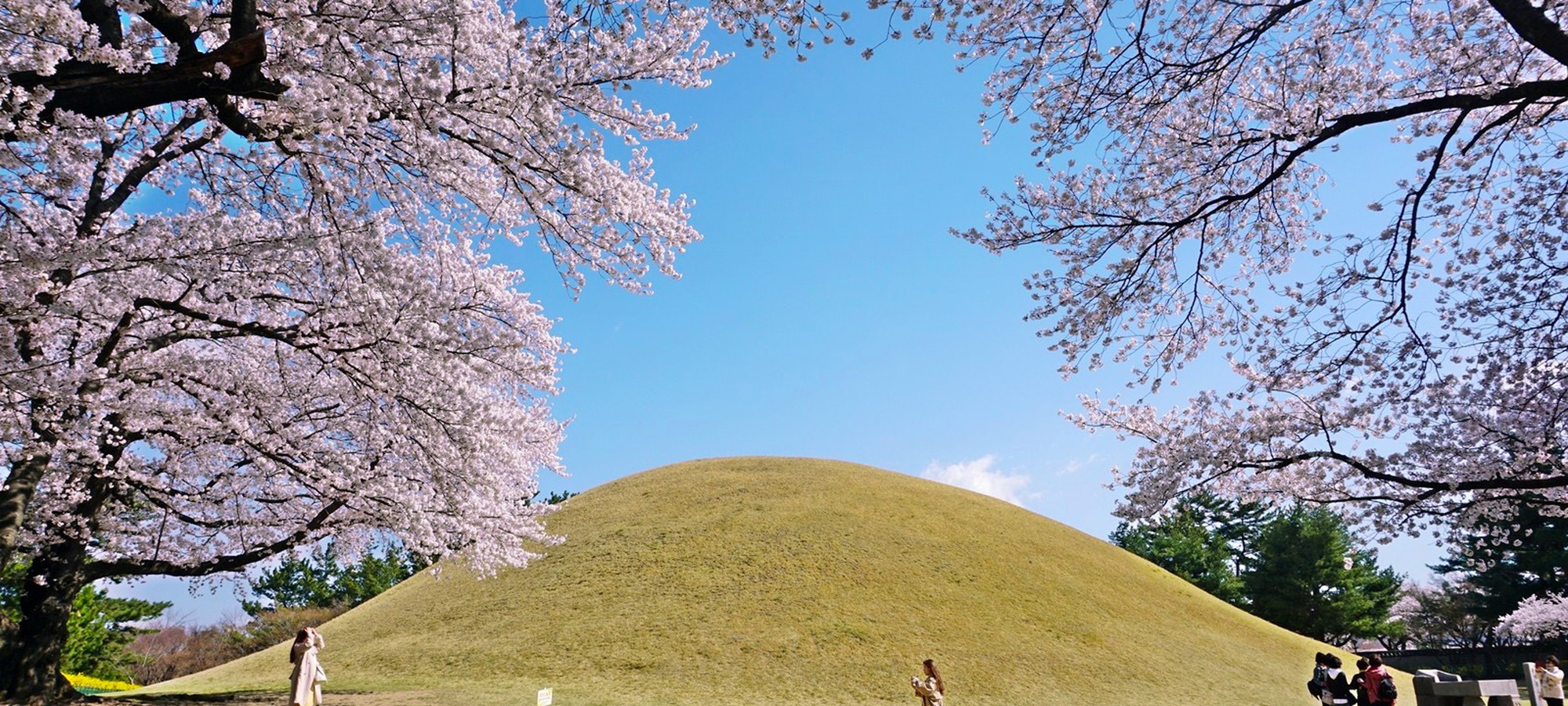
Gyeongju National Museum
Gyeongju asks you to slow down. The city was once Silla's capital, and its history appears in low hills, tombs, temples, and quiet streets.
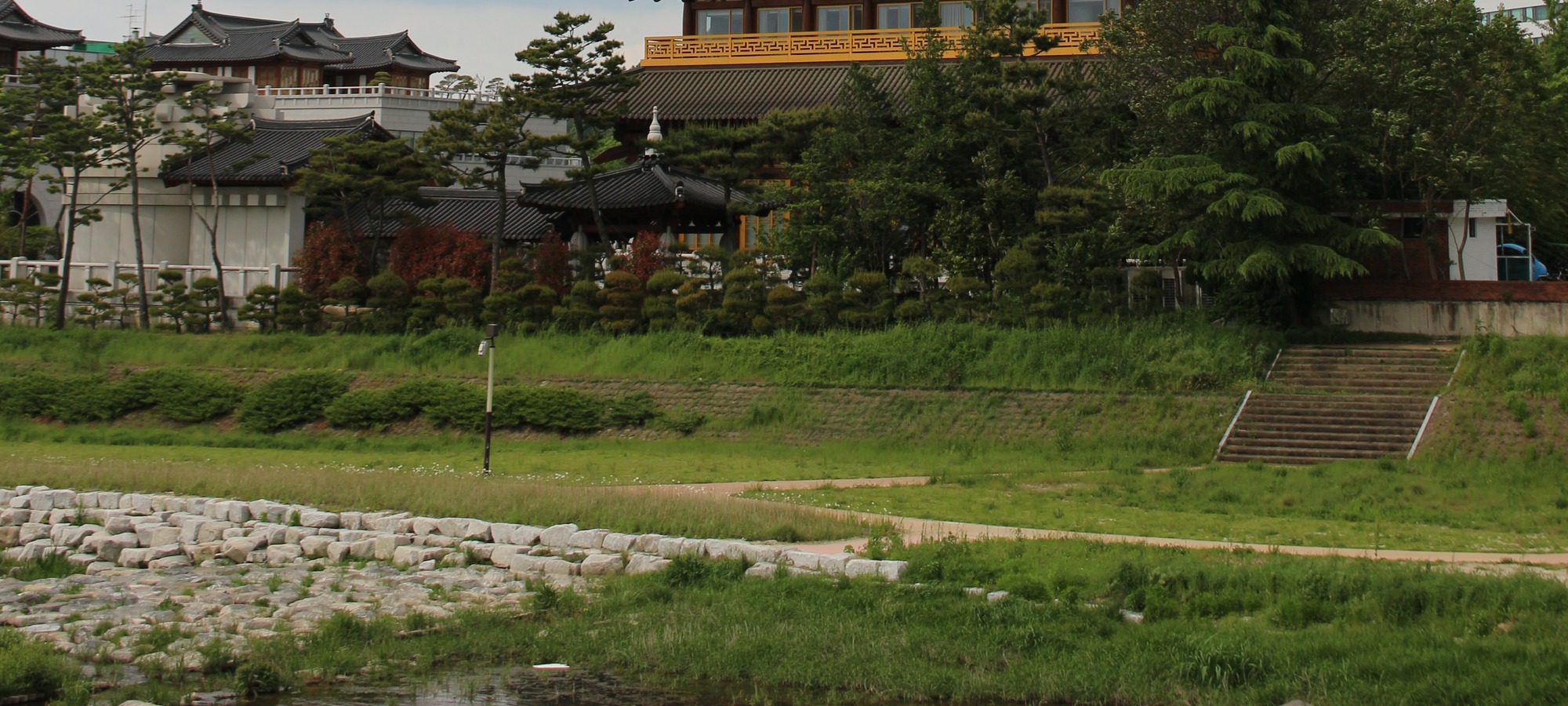
Daereungwon
Daereungwon looks like a park at first, but the rounded tombs are royal Silla burial mounds. The quiet shape of the land is the history.
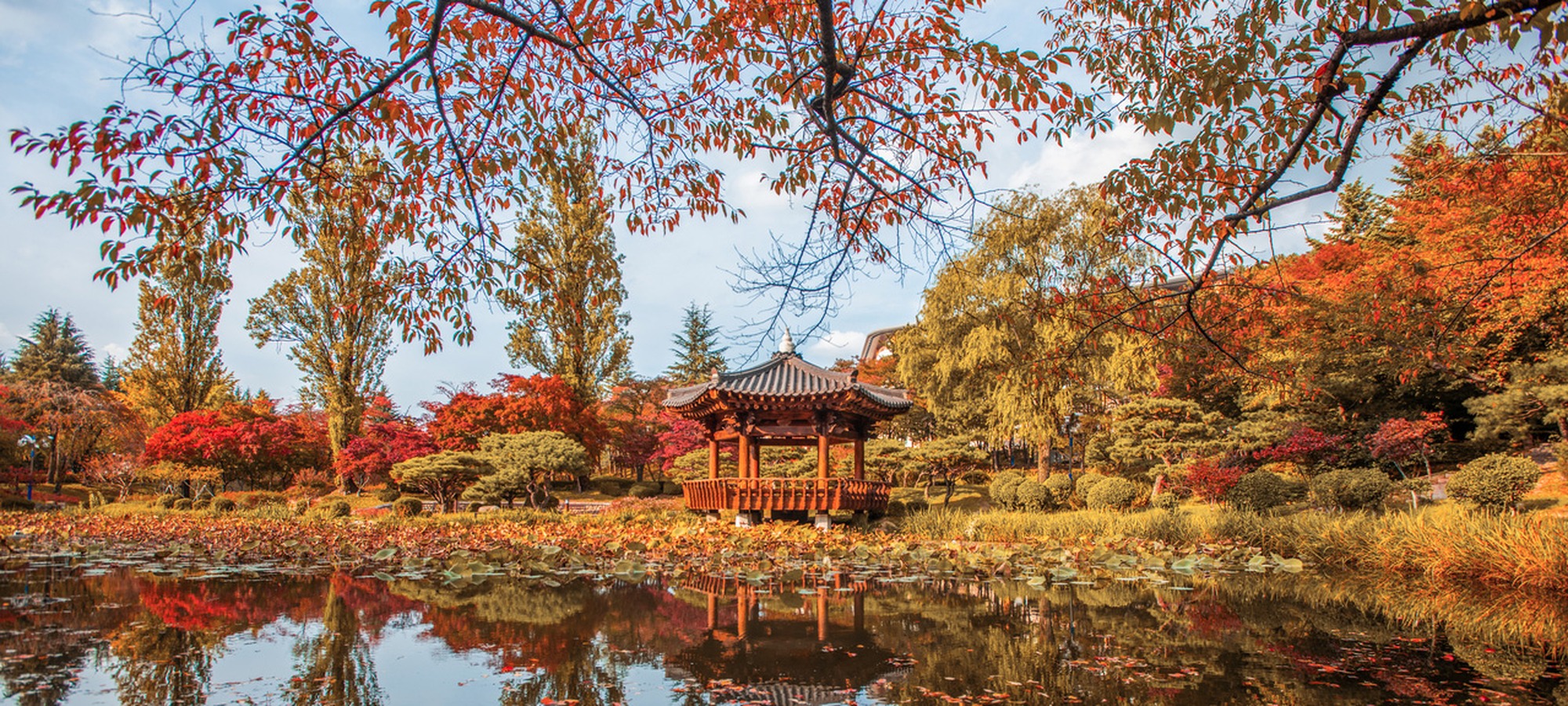
Hwangnyongwon
Hwangnyongwon borrows the silhouette of lost Silla architecture, so it feels like a modern echo of Gyeongju's older royal and Buddhist imagination.
GalleryMoments from this tour
HighlightsWhat makes this tour special
ItineraryYour journey
Check dates only when you need them
We keep the story and planning notes here. Current schedules, pickup points, and live prices are handled separately by the operator, so you can read first and decide later.
See current tour details No rush - the guide above is here to help you understand the place first.PricingCurrent rates
ServicesWhat's included
✓ Included
✗ Not included
FAQCommon questions
Korea in 2026 — what's coming up
The calendar everyone planning Korea should know about. Useful whether you're on our tour or not.
- Cherry blossoms peak in Seoul around April 4–9; Jinhae a few days earlier.
- Jinhae Gunhangje Festival runs late March through early April — Korea's biggest cherry blossom festival, over a million visitors.
- Seoul Jazz Festival, end of May at Olympic Park — line-up drops mid-April.
- Children's Day (May 5) — theme parks absolutely packed; skip Everland/Legoland that week.
- Buddha's Birthday (May 25 in 2026) — temple tours are magical; Seoul Lotus Lantern Festival lights up streets for 5 days.
- Gyeongju Cherry Blossoms are done by now — shift to spring flowers at Morning Calm instead.
- BTS Busan-area reunion event (early June) — expect Busan hotels to hit peak prices.
- Hansik Day (June 6) — traditional Korean food gets spotlighted; Gwangjang Market runs a special all week.
- Dano Festival (late June) — Gangneung hosts the oldest one, UNESCO Intangible Heritage.
- Monsoon season — plan for 3–5 rainy days per week. Indoor/evening tours win.
- Boryeong Mud Festival (mid-July) — two-hour drive from Seoul; still one of Korea's oldest international festivals.
- Busan Sea Festival — beachfront concerts at Haeundae + Gwangalli through August.